Address
304 North Cardinal St.
Dorchester Center, MA 02124
Work Hours
Monday to Friday: 7AM - 7PM
Weekend: 10AM - 5PM
Address
304 North Cardinal St.
Dorchester Center, MA 02124
Work Hours
Monday to Friday: 7AM - 7PM
Weekend: 10AM - 5PM
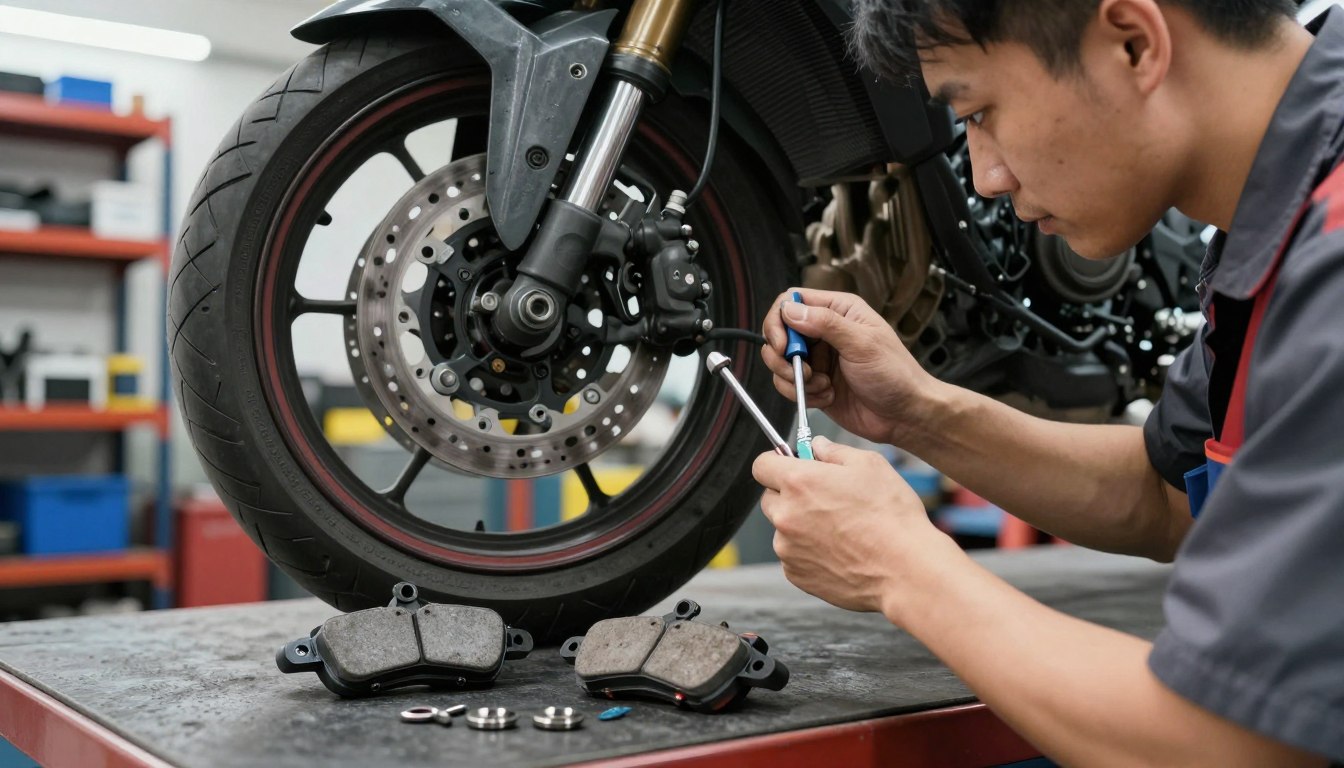
Riding your favorite bike on the open road offers an incredible sense of freedom and excitement. However, that joy depends heavily on your ability to stop quickly and safely every single time. This is why regular motorcycle brake pad replacement is one of the most vital tasks for any rider.
Keeping an eye on your bike’s stopping power ensures better brake safety during every daily commute or weekend trip. Neglecting your pads can lead to costly repairs or even dangerous situations on the highway.
You might notice high-pitched squealing or a softer feel in the lever when things start to wear down. Learning these subtle clues helps you stay ahead of maintenance needs before they become major problems. It is truly about protecting yourself and your machine while enjoying the ride.
Understanding your motorcycle’s braking system is crucial for maintaining safety on the road. The braking system is one of the most critical components of your motorcycle, and its proper functioning can be a matter of life and death.
The braking system consists of several key components, including the brake lever, brake caliper, brake pads, and brake rotor. When you press the brake lever, it activates the brake caliper, which in turn presses the brake pads against the rotor to slow down or stop the motorcycle.
Brake pads are a crucial component of your motorcycle’s braking system. They work by creating friction against the brake rotor to slow down or stop the motorcycle. When you press the brake lever, the brake pads are pressed against the rotor, converting the motorcycle’s kinetic energy into heat energy, thus slowing it down.
The effectiveness of brake pads depends on their material composition and condition. Over time, brake pads wear out due to the constant friction, and their thickness decreases. It’s essential to monitor the condition of your brake pads to ensure they are functioning correctly.
There are three primary types of brake pads available for motorcycles: organic, sintered, and semi-metallic. Each type has its unique characteristics and advantages.
The choice of brake pad type depends on your riding style, the type of motorcycle you have, and your personal preferences. Understanding the different types of brake pads can help you make an informed decision when it’s time to replace them.
| Brake Pad Type | Durability | Noise Level | Dust Production | Heat Resistance |
|---|---|---|---|---|
| Organic | Lower | Quieter | Less | Lower |
| Sintered | Higher | Noisier | More | Higher |
| Semi-Metallic | Moderate | Moderate | Moderate | Moderate |
As a motorcyclist, it’s essential to be aware of the brake pad wear signs that indicate your brake pads need replacement. Regular inspection and maintenance of your braking system can significantly enhance your safety on the road.
Recognizing the visual warning signs of worn brake pads is crucial for maintaining your motorcycle’s safety and performance. Regular inspections can help identify potential issues before they become major problems.
One of the primary indicators of brake pad wear is the thickness of the pad material. Over time, the friction material wears down, reducing the pad’s effectiveness.
Most motorcycle manufacturers specify a minimum thickness for brake pads. Typically, this is around 1-2 mm, but it can vary. It’s essential to consult your motorcycle’s manual for the exact specification.
A flashlight can be a valuable tool when inspecting brake pads, especially if they are located in a hard-to-see area. Shine the light on the brake pad to get a clear view of its thickness and condition.
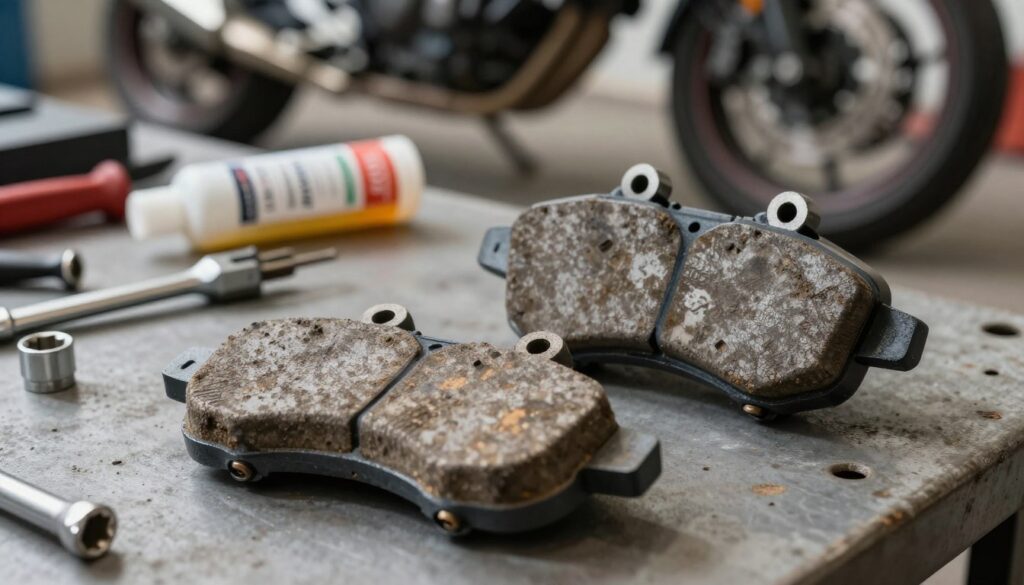
The surface condition of the brake pads is another critical factor. Glazing, which occurs when the brake pad material becomes overheated and forms a hard, glassy surface, can significantly reduce braking performance.
Inspect the surface for any signs of glazing or excessive wear. If the surface appears smooth and shiny, it may be glazed.
Cracks, chips, or material separation are all signs that the brake pad is deteriorating. These defects can lead to reduced braking performance and potentially cause the brake pad to fail.
During your inspection, look for any visible cracks or chips in the brake pad material. Also, check for signs of separation between the pad material and the backing plate.
| Condition | Description | Action Required |
|---|---|---|
| Thickness below minimum | Brake pad material worn down | Replace brake pads |
| Glazing or excessive wear | Surface appears smooth and shiny | Inspect and possibly replace |
| Cracks, chips, or separation | Visible damage to brake pad | Replace brake pads |
Unusual noises emanating from your motorcycle’s brakes can be more than just a nuisance; they can be a warning sign that your brake pads need replacement. Being aware of these sounds is crucial for riding safety and can help prevent more serious issues down the line.
A high-pitched squealing or squeaking noise when you apply the brakes is often one of the first signs that your brake pads are wearing down. This sound is usually caused by wear indicators on the brake pads coming into contact with the brake rotor. It’s a clear signal that your brake pads are nearing the end of their lifespan and should be inspected.
If you hear a grinding or screeching sound when braking, it’s a serious indication that your brake pads have worn down to the metal. This metal-on-metal contact can cause significant damage to your brake rotors and other components, leading to costly repairs. Immediate attention is required to avoid further damage and ensure motorcycle brake pad replacement is done promptly.
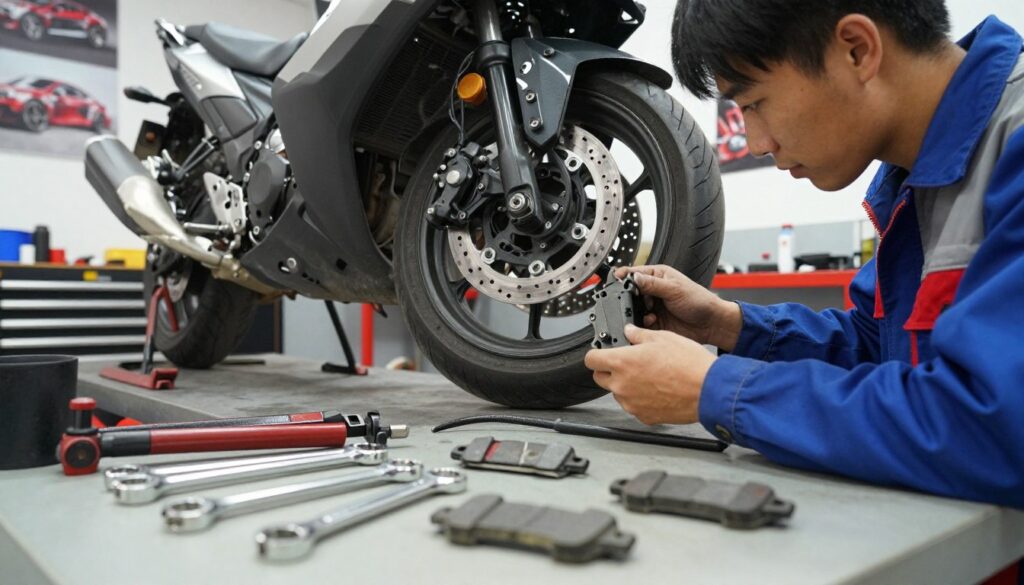
Clicking, rattling, or clunking noises can indicate issues with the brake hardware or that the brake pads are not properly seated. These sounds can also be a sign of worn-out brake components or loose parts. It’s essential to investigate these noises to determine the cause and address it accordingly.
Understanding what each sound signifies can help you diagnose brake pad problems more effectively. For instance:
Being aware of these sounds and their meanings is vital for maintaining your motorcycle’s braking system and ensuringriding safety.
Regular maintenance and inspections can help identify these issues early on, allowing for timely motorcycle brake pad replacement and preventing more severe problems. By paying attention to the sounds your motorcycle makes, you can stay ahead of potential brake pad issues and enjoy a safer ride.
When it comes to motorcycle safety, one of the most critical aspects is the braking system, and changes in its performance can be a telling sign of worn-out brake pads. Riders should be aware of the subtle changes that occur when brake pads start to wear down, as ignoring these signs can lead to compromised safety on the road.
A noticeable increase in stopping distance or a feeling that the motorcycle is taking longer to stop is a clear indicator that the brake pads may be worn. Reduced stopping power not only affects the rider’s ability to stop in time but also puts them at a higher risk of being involved in an accident. Regularly checking the brake pads and replacing them when necessary is crucial for maintaining optimal brake safety.
A soft or spongy brake lever feel is another sign that something is amiss with the braking system. This could be due to worn brake pads, air in the brake lines, or brake fluid issues. It’s essential to have the braking system inspected by a professional to identify the root cause and rectify it to ensure motorcycle maintenance is up to par.
If the brake lever pulsates or vibrates when applied, it could indicate warped brake rotors or excessively worn brake pads. This condition not only affects the braking performance but also causes discomfort and can lead to fatigue during long rides. Addressing this issue promptly is vital for maintaining a smooth and safe riding experience.
Brake fade occurs when the brakes are subjected to prolonged use, such as descending a steep hill or repeated hard braking. If the brakes lose their effectiveness and require more effort to stop the motorcycle, it’s a sign that the brake pads are worn or the braking system is overheating. Regular motorcycle maintenance, including checking the brake pads and ensuring proper cooling, can help prevent brake fade.
In conclusion, being vigilant about changes in braking performance is crucial for brake safety and overall motorcycle maintenance. By recognizing the signs of worn brake pads and addressing them promptly, riders can ensure their motorcycle remains safe to ride and performs optimally.
To ensure your motorcycle remains safe to ride, it’s essential to monitor the state of your brake pads closely. Regular checks can help identify potential issues before they become major problems, ensuring your safety on the road.
Conducting a physical inspection of your motorcycle’s brake pads is a straightforward process that can reveal a lot about their condition. This involves checking both the front and rear brake pads.
The front brake pad is typically subject to more wear due to its heavier workload during braking. To inspect it:
Although the rear brake pad undergoes less stress than the front, it’s equally important to inspect it regularly:
Many modern motorcycle brake pads come equipped with wear indicator grooves. These grooves are designed to wear down as the pad material diminishes. When the grooves are no longer visible or are significantly worn down, it’s a clear indication that the brake pads need replacement.
Brake dust and contamination can significantly affect brake performance. Signs include:
If you notice any of these signs, it may be necessary to clean or replace the affected components.
Some motorcycles are equipped with advanced braking systems that include wear sensors and dashboard warning lights. If your motorcycle has this feature, a lit warning light indicates that your brake pads have reached a critical level of wear and need immediate attention.
By following this checklist, you can ensure your motorcycle’s brake pads are in good condition, enhancing your safety on the road.
Different riding environments and styles can greatly affect the durability of your motorcycle’s brake pads. Understanding these factors is crucial for maintaining your motorcycle’s braking system and ensuring riding safety.
City riding typically involves more frequent braking due to traffic congestion, which can lead to quicker wear on brake pads. In contrast, highway riding often involves higher speeds but less frequent braking, potentially leading to less wear. However, highway riding can also involve high-speed braking, which can be harsh on brake pads.
Riding in wet and rainy conditions can significantly impact brake pad lifespan. Water can cause brake pads to wear more rapidly due to the increased friction and potential for corrosion. Regular inspection is crucial in such conditions.
Riding in mountainous or hilly terrain involves frequent braking, especially when descending. This can cause brake pads to heat up and wear down more quickly. The use of engine braking and proper gear management can help mitigate some of this wear.
Track days and aggressive riding styles are particularly harsh on brake pads. The high-speed braking involved can cause significant heat buildup, leading to rapid wear and potentially even brake fade. Riders who frequently participate in track days should be prepared to replace their brake pads more often.
Comparative Impact of Riding Conditions on Brake Pad Lifespan
| Riding Condition | Impact on Brake Pad Lifespan | Maintenance Tip |
|---|---|---|
| City Riding | High wear due to frequent braking | Regular inspection |
| Highway Riding | Moderate wear | Monitor pad thickness |
| Wet and Rainy Conditions | High wear due to water and corrosion | Dry brakes regularly |
| Mountain and Hill Riding | High wear due to frequent downhill braking | Use engine braking |
| Track Days and Aggressive Riding | Very high wear due to high-speed braking | Replace pads frequently |
By understanding how different riding conditions affect brake pad lifespan, motorcyclists can take proactive steps to maintain their vehicle’s braking system, ensuring both safety and performance.
Understanding when to replace your motorcycle’s brake pads is crucial for maintaining optimal braking performance and ensuring your safety on the road. The frequency of replacement depends on various factors, including the type of brake pads used, riding conditions, and the manufacturer’s guidelines.
Most motorcycle manufacturers provide guidelines on when to replace brake pads based on mileage or time. It’s essential to consult your owner’s manual for specific recommendations. For instance, some manufacturers suggest inspecting brake pads every 6,000 miles and replacing them if they are worn beyond the minimum thickness.
Mileage-based guidelines vary significantly depending on the riding conditions. For example, riders who frequently ride in urban areas with heavy traffic may need to replace their brake pads more often than those who ride mostly on highways.
| Riding Condition | Average Mileage for Replacement |
|---|---|
| Urban Riding | 5,000 – 10,000 miles |
| Highway Riding | 10,000 – 15,000 miles |
| Off-Road Riding | 2,000 – 5,000 miles |
Even if your motorcycle hasn’t reached the recommended mileage for brake pad replacement, it’s generally advised to inspect and potentially replace them every two to three years. This is because brake pads can deteriorate over time due to exposure to environmental factors.
If you’re unsure about the condition of your brake pads or notice any unusual signs such as squealing, grinding, or vibration when braking, it’s time to seek a professional inspection. A qualified mechanic can assess the condition of your brake pads and other components of your braking system, providing a more accurate diagnosis and recommending necessary repairs.
Worn brake pads are not just a minor issue; they are a critical safety hazard that can lead to severe consequences if neglected. Riding with compromised brake pads affects not only the motorcycle’s performance but also the rider’s safety.
Riding with worn brake pads can cause significant damage to the brake rotors. When brake pads wear down, the metal backing plate can come into contact with the rotor, causing scoring or warping. This damage can lead to costly repairs and potentially render the rotor unusable.
Brake rotor damage is a serious issue because it can necessitate the replacement of the rotor, adding to the overall cost of maintenance. Moreover, a warped rotor can cause vibrations that affect the motorcycle’s braking performance.
One of the most dangerous consequences of worn brake pads is the risk of complete brake failure. When brake pads are excessively worn, they may not provide enough friction to stop the motorcycle effectively. This can lead to accidents, especially in situations where sudden braking is required.
Worn brake pads can significantly increase the distance it takes to stop a motorcycle. This is because worn pads do not provide the same level of friction as new pads, making it harder to stop quickly. Increased stopping distances can be particularly hazardous in heavy traffic or when riding in wet conditions.
Delaying the replacement of worn brake pads can lead to higher replacement costs down the line. For instance, damaged brake rotors or calipers may need to be replaced alongside the brake pads, increasing the overall cost of the repair.
| Component | Cost of Replacement |
|---|---|
| Brake Pads | $50-$100 |
| Brake Rotors | $100-$300 |
| Brake Calipers | $200-$500 |
| Total Cost (if all components are replaced) | $350-$900 |
Regular motorcycle brake pad replacement is crucial for ensuring riding safety. As discussed, worn brake pads can lead to reduced stopping power, increased stopping distances, and even complete brake failure. By understanding the signs of worn brake pads, such as unusual sounds, changes in braking performance, and visual warning signs, riders can take proactive steps to replace their brake pads when necessary.
Riding conditions, including city riding, wet and rainy conditions, and aggressive riding, can significantly affect brake pad lifespan. Therefore, it’s essential to consider these factors when determining the optimal replacement interval for your motorcycle’s brake pads. By staying informed and maintaining your motorcycle’s brake pads, you can enjoy a safer riding experience.
Motorcycle brake pad replacement is not just a maintenance task; it’s a critical aspect of ensuring your safety on the road. By prioritizing brake pad inspection and replacement, you can minimize the risk of accidents and enjoy a more confident riding experience.
