Address
304 North Cardinal St.
Dorchester Center, MA 02124
Work Hours
Monday to Friday: 7AM - 7PM
Weekend: 10AM - 5PM
Address
304 North Cardinal St.
Dorchester Center, MA 02124
Work Hours
Monday to Friday: 7AM - 7PM
Weekend: 10AM - 5PM
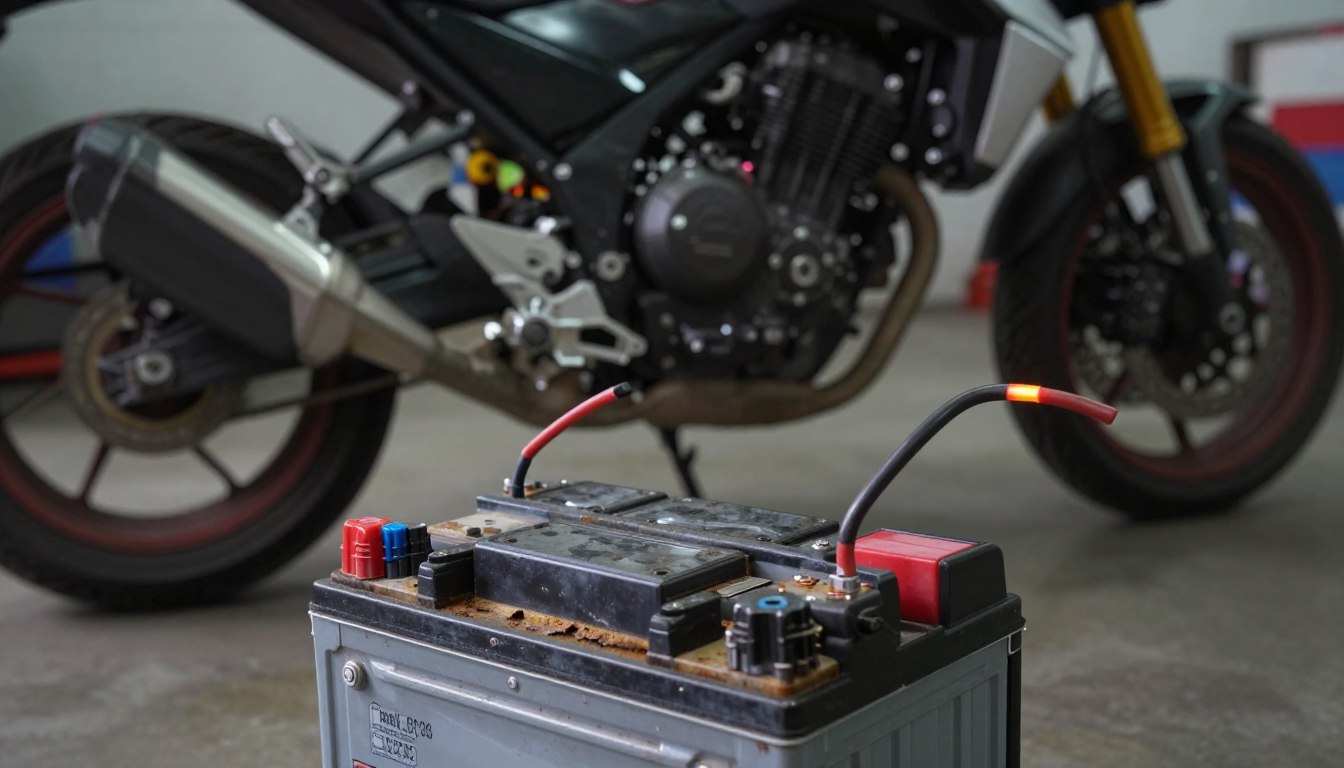
There is nothing quite like the excitement of a sunny weekend ride. You put on your gear, grab your helmet, and turn the key. But then, you hear that dreaded clicking sound instead of a roar.
If you find your motorcycle battery draining fast, you are definitely not alone. This frustrating issue can turn a great day into a headache very quickly.
Understanding the common causes of motorcycle battery drain is the first step toward fixing it. From old age to hidden power draws, we help you get back on the open road.
Our guide explores simple checks and smart solutions to keep your bike healthy. Let’s dive into why your *battery might be losing juice* and how to stop it today.
Understanding the role of your motorcycle battery is crucial for maintaining its health and preventing unexpected drain issues. The battery is a vital component that not only starts your engine but also powers various electrical systems when the engine is off.
To appreciate the significance of the battery, it’s essential to understand how it functions within your motorcycle’s electrical system.
The motorcycle battery provides the necessary power to start the engine and support the electrical system. When you turn the key or press the ignition button, the battery supplies a significant surge of power to the starter motor, turning the engine over. Once the engine is running, the charging system takes over, recharging the battery and powering the electrical components.
The battery and charging system are interdependent. The charging system, which includes components like the stator, voltage regulator, and rectifier, recharges the battery and powers the motorcycle’s electrical systems when the engine is running. A malfunction in either the battery or the charging system can lead to issues with the other, potentially causing battery drain or other electrical problems.
Proper maintenance of both the battery and the charging system is essential to prevent issues like battery drain. Regular checks can help identify potential problems before they become major issues, ensuring your motorcycle remains reliable and performs well.
By understanding the role of your motorcycle battery and its relationship with the charging system, you’re better equipped to diagnose and address issues related to battery drain, ensuring a more enjoyable and trouble-free riding experience.
When a motorcycle battery starts to drain faster than usual, there are several indicators that can alert you to the problem. Recognizing these signs early can help you address the issue before it leaves you stranded. A motorcycle battery that drains too quickly can be caused by a variety of factors, including issues with the electrical system, the battery itself, or how the motorcycle is used and maintained.
One of the most common signs of a battery issue is slow or struggling engine cranking. If your motorcycle’s engine takes longer than usual to start or if the starter motor sounds labored, it could be a sign that your battery is losing its charge too quickly. This is because the battery is struggling to provide the necessary power to turn the engine over.
Dimming headlights and dashboard lights are another indicator of a battery drain problem. If you notice that your motorcycle’s lights are not as bright as they used to be, or if they dim when you start the engine, it could be a sign that the battery is not holding its charge properly. This is often due to a failing battery or an issue with the charging system.
Modern motorcycles often come equipped with a range of electrical accessories, from GPS systems to heated grips. If these accessories are not working properly or are malfunctioning, it could be related to a battery drain issue. For example, if your GPS screen is dim or your heated grips are not warming up as they should, it might indicate that the battery is not providing enough power.
If your motorcycle battery dies after short periods of inactivity, it’s a strong indication that there’s a drain on the battery. This could be due to a parasitic draw from an accessory or a fault in the electrical system. Even when the motorcycle is turned off, certain components can continue to draw power from the battery, draining it over time.
| Signs | Description | Possible Cause |
|---|---|---|
| Slow Engine Cranking | Engine takes longer to start | Battery losing charge, weak battery |
| Dimming Lights | Headlights and dashboard lights are dim | Battery not holding charge, charging system issue |
| Accessories Malfunctioning | GPS, heated grips not working properly | Insufficient power from battery |
| Battery Dies After Inactivity | Battery dies after being idle | Parasitic draw, electrical system fault |
When a motorcycle battery drains too quickly, it’s essential to identify the underlying causes to apply the correct solutions. A drained battery can be frustrating and disrupt your riding plans. Understanding the root causes can help in finding the right fixes and prolonging the battery’s lifespan.
A parasitic draw occurs when electrical accessories continue to drain power from the battery even after the motorcycle is turned off. This can be due to various aftermarket or stock accessories.
Some common causes of parasitic draw include alarm systems, GPS devices, and other aftermarket accessories that remain connected to the battery. As “A parasitic draw can significantly reduce the lifespan of your motorcycle battery if not addressed promptly.”
To fix parasitic draw, inspect all accessories and ensure they are properly connected and not drawing power when the motorcycle is off. Consider using a multimeter to measure the draw.
“Using a multimeter to check for parasitic draw can help you identify the problematic accessory.”
A failing voltage regulator or rectifier can cause the battery to overcharge or undercharge, leading to premature drain.
Symptoms include dim or flickering lights, frequent battery drain, and in some cases, the battery might be overcharged, leading to damage.
To address a failing voltage regulator or rectifier, inspect the charging system. Replace the faulty component if necessary.
“Regular inspection of the charging system can prevent battery drain issues.”
Worn-out stator coils can lead to inefficient charging, causing the battery to drain faster.
Inspecting the stator coils for wear and tear and replacing them if necessary can resolve this issue.
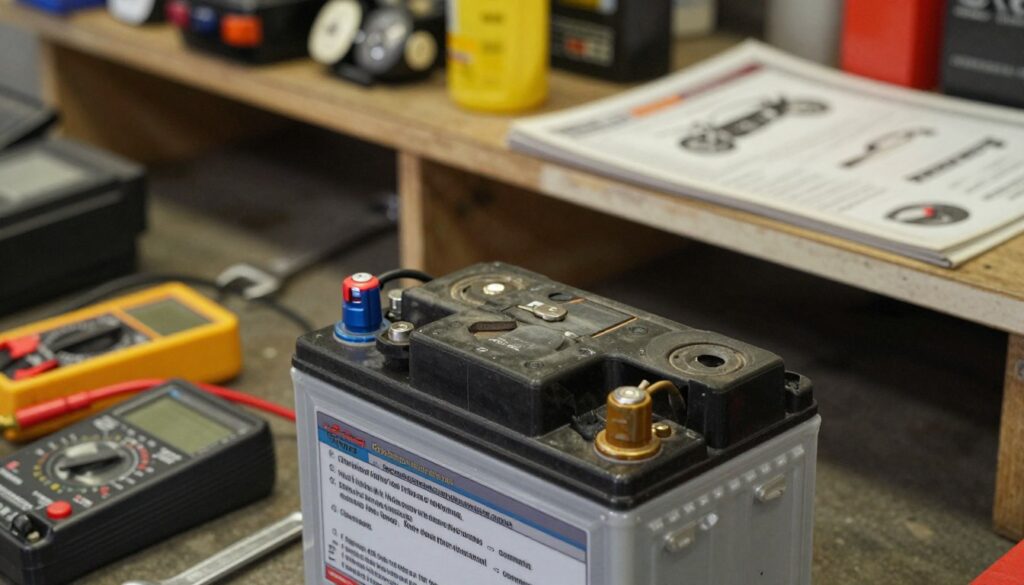
Corroded or loose connections can prevent the battery from charging properly, leading to drain issues.
Cleaning and tightening the battery terminals can resolve this problem. Regular maintenance is key to preventing such issues.
“A clean and secure battery connection is crucial for the overall health of your motorcycle’s electrical system.”
Batteries have a limited lifespan and will eventually deteriorate over time. Regularly checking the battery’s condition can help in determining when it’s time for a replacement.
“Understanding the age and condition of your motorcycle battery is vital for maintaining its health.”
To tackle the frustrating problem of a draining motorcycle battery, it’s essential to understand the diagnostic steps involved. Diagnosing the issue requires a systematic approach that involves several tests to identify the root cause of the problem.
One of the primary tools for diagnosing battery drain is a multimeter. This device allows you to measure the voltage of your motorcycle battery accurately. A fully charged battery should read around 12.6 volts when the engine is off.
To perform a static voltage test, ensure your motorcycle is turned off and all accessories are disconnected. Connect the multimeter to the battery terminals and take a reading. A voltage reading below 12.4 volts indicates a partially discharged battery.
A load test is crucial for understanding how your battery performs under load. You’ll need a multimeter and a load tester for this procedure. The load tester applies a load to the battery, simulating the cranking load. A healthy battery should maintain a voltage above 9.6 volts during the test.
The charging system is responsible for recharging your battery while the engine is running. A faulty charging system can lead to battery drain. To check the charging system output, you’ll need to measure the voltage at the battery terminals while the engine is running.
With the engine idling, the voltage reading should be between 13.5 and 14.5 volts. This indicates that the charging system is functioning correctly. A reading below 13.5 volts may suggest a problem with the charging system.
Increase the engine RPM to around 2,000-3,000 and take another voltage reading. The voltage should remain within the 13.5-14.5 volt range. A significant drop or rise in voltage at higher RPMs can indicate a faulty voltage regulator or rectifier.
A parasitic draw occurs when there’s an unintended electrical drain on your battery. To identify if there’s a parasitic draw, you’ll need to perform a test using a multimeter.
Disconnect the negative battery cable and connect your multimeter in series between the negative battery terminal and the negative cable. Set the multimeter to measure DC amps. A reading above 0.1 amps typically indicates a parasitic draw.
If you detect a parasitic draw, start by removing fuses one by one to identify which circuit is causing the draw. Consult your motorcycle’s manual to understand which fuse corresponds to which circuit. Once you identify the problematic circuit, inspect it for any faulty components or shorts.
By following these diagnostic steps, you can identify the root cause of your motorcycle battery drain issue and take corrective action. Regular maintenance and checks can help prevent future battery drain problems.
If your motorcycle battery is losing its charge rapidly, there are several immediate fixes you can apply to get back on the road quickly.
Corrosion on battery terminals is a common cause of battery drain issues. To clean the terminals, disconnect the battery cables and use a mixture of baking soda and water to remove any corrosion. Ensure the terminals are dry before reconnecting the cables.
Regular maintenance of battery terminals can prevent future drain issues. Inspect the terminals regularly for signs of corrosion.
Loose electrical connections can cause unnecessary strain on your motorcycle’s battery, leading to rapid draining. Check all electrical connections, including those at the battery, starter motor, and any other components connected to the electrical system. Tightening these connections can resolve drain issues.
Aftermarket accessories can sometimes draw power from the battery even when the motorcycle is turned off. To identify if an accessory is causing the drain, disconnect each accessory one by one and check if the drain persists. Removing or properly installing accessories with a switch can mitigate this issue.
Improper charging techniques can damage your motorcycle battery and lead to drain issues. Use a smart charger or a battery tender designed for motorcycle batteries to charge your battery correctly. Avoid overcharging, as it can reduce the battery’s lifespan.
By implementing these immediate fixes, you can address the issue of a rapidly draining motorcycle battery and prevent future occurrences.
To prevent future battery drain issues, it’s essential to implement long-term solutions. Dealing with a drained motorcycle battery can be frustrating, but there are several strategies you can employ to ensure your battery remains healthy and functional over time.
A faulty voltage regulator or rectifier can cause significant issues with your motorcycle’s battery. If your voltage regulator or rectifier is not functioning correctly, it may overcharge or undercharge your battery, leading to premature wear. Replacing these components with high-quality alternatives can help maintain the health of your battery.
The stator is a critical component of your motorcycle’s charging system. If it’s worn out or damaged, it can prevent your battery from charging properly. Inspecting your stator and replacing it if necessary is a crucial long-term solution to battery drain issues.
A battery tender or maintainer is a device that keeps your battery charged at the optimal level, especially during periods of inactivity. Using one of these devices can help prevent battery drain and extend the lifespan of your battery.
Lithium-ion batteries are known for their durability and long lifespan. Upgrading to a lithium-ion battery can be a worthwhile investment for motorcycle owners who frequently experience battery drain issues. These batteries are more resistant to deep discharge and can handle the rigors of motorcycle use more effectively.
Sometimes, the issue with battery drain can be traced back to problematic electrical circuits. Rewiring these circuits can help eliminate parasitic drains and ensure that your battery is not being unnecessarily depleted. It’s a more involved process, but it can provide a long-term solution to battery drain problems.
To summarize the long-term solutions, consider the following comparison:
| Solution | Benefits | Cost |
|---|---|---|
| Replace Voltage Regulator/Rectifier | Prevents overcharging/undercharging, extends battery life | $100-$300 |
| Install New Stator | Ensures proper charging, prevents battery drain | $200-$500 |
| Use Battery Tender/Maintainer | Keeps battery charged, extends lifespan | $20-$100 |
| Upgrade to Lithium-Ion Battery | Longer lifespan, more durable | $100-$300 |
| Rewire Problematic Circuits | Eliminates parasitic drains, prevents battery drain | $50-$200 |
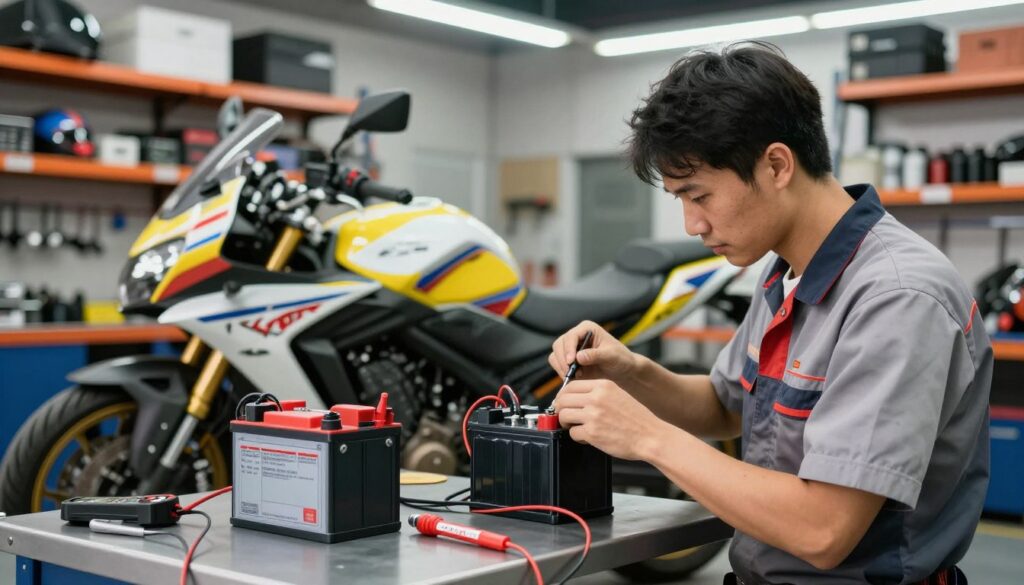
By implementing these long-term solutions, motorcycle owners can significantly reduce the likelihood of battery drain issues. Regular maintenance and inspections are also crucial in preventing battery-related problems.
Regular maintenance is vital for extending the life of your motorcycle battery and preventing unexpected drain issues. By adopting a few simple practices, you can ensure your battery remains in good health and your motorcycle starts reliably every time.
A monthly inspection can help identify potential issues before they become major problems. Check the battery terminals for signs of corrosion or wear. Cleaning the terminals with a wire brush and applying a thin layer of petroleum jelly or silicone-based grease can prevent corrosion.
Key inspection points include:
If you plan to store your motorcycle for an extended period, proper battery storage is crucial. Disconnect the battery and store it in a cool, dry place. Use a battery maintainer or trickle charger to keep the battery charged.
Tips for storage:
Proper charging is essential for maintaining your motorcycle battery’s health. Avoid overcharging, as it can damage the battery. Use a charger specifically designed for motorcycle batteries and follow the manufacturer’s instructions.
| Charging Method | Description | Frequency |
|---|---|---|
| Standard Charging | Charge at the recommended rate | Every 30-60 days |
| Trickle Charging | Maintain charge during storage | Continuous during storage |
| Boost Charging | Quick charge for a dead battery | As needed |
Extreme temperatures can significantly affect your motorcycle battery’s performance and lifespan. Park your motorcycle in shaded areas during hot weather and avoid exposing it to freezing temperatures.
By following these essential maintenance practices, you can significantly extend the life of your motorcycle battery and ensure your motorcycle remains reliable.
Knowing when to replace your motorcycle battery is crucial for maintaining your vehicle’s performance and reliability. Motorcycle batteries have a limited lifespan and will eventually need to be replaced. Understanding the signs that indicate the need for a replacement can save you from unexpected breakdowns and expenses.
The average lifespan of a motorcycle battery varies depending on several factors, including the type of battery, usage patterns, and maintenance habits. Typically, a well-maintained maintenance-free battery can last between 3 to 5 years. However, factors such as extreme temperatures, deep discharging, and poor maintenance can significantly reduce its lifespan.
It’s essential to keep track of your battery’s age and condition to anticipate when it might need replacement. Regular inspections can help identify potential issues before they become major problems.
Not all battery issues can be resolved with repairs. If your battery is showing signs of severe degradation, such as sulfur buildup, it’s likely time for a replacement. Other indicators include:
If you notice any of these signs, it’s more cost-effective and reliable to replace the battery rather than attempting repairs.
When selecting a replacement battery, it’s crucial to choose one that matches your motorcycle’s specifications. Consider factors such as:
Consulting your motorcycle’s manual or speaking with a professional can help you make an informed decision when choosing a replacement battery.
Understanding the causes of a motorcycle battery draining fast is crucial to preventing the issue. By identifying the root cause, whether it’s a parasitic electrical draw, a failing voltage regulator, or corroded battery connections, you can apply the right solutions for motorcycle battery drain.
Regular maintenance is key to extending the life of your motorcycle battery. This includes monthly inspections, proper storage during winter or long breaks, and correct charging methods. By following these practices, you can significantly reduce the risk of battery drain.
When faced with a draining motorcycle battery, don’t hesitate to take action. Apply the fixes outlined in this article, such as cleaning and restoring battery terminals, tightening electrical connections, and removing aftermarket accessories. For long-term solutions, consider replacing the voltage regulator or rectifier, installing a new stator if needed, or upgrading to a lithium-ion battery.
By taking proactive steps and staying informed, you can enjoy a trouble-free riding experience with a reliable motorcycle battery.
