Address
304 North Cardinal St.
Dorchester Center, MA 02124
Work Hours
Monday to Friday: 7AM - 7PM
Weekend: 10AM - 5PM
Address
304 North Cardinal St.
Dorchester Center, MA 02124
Work Hours
Monday to Friday: 7AM - 7PM
Weekend: 10AM - 5PM
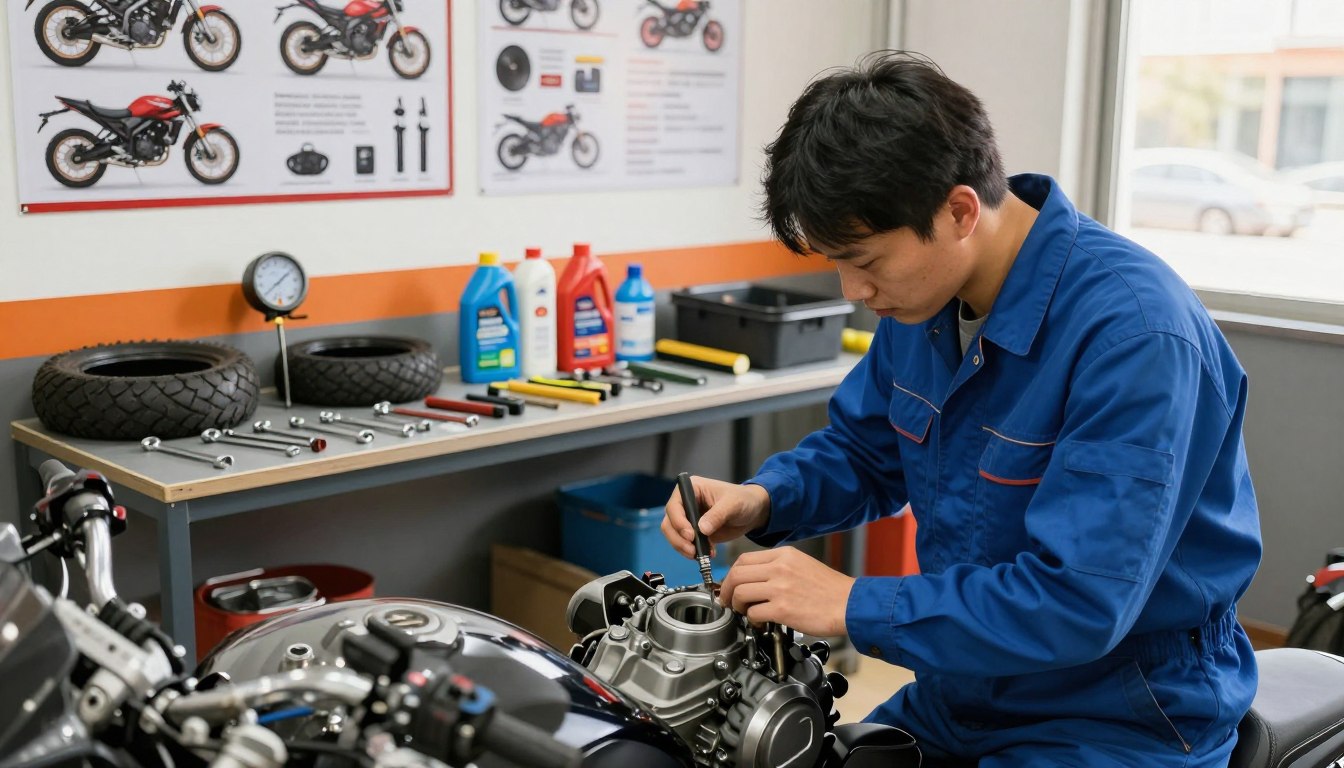
Owning a bike is about the freedom of the open road and the wind in your face. However, sudden motorcycle repair costs can quickly turn a good day into a big money problem. Many riders in the United States feel stressed by the high price of keeping a bike running.
You do not need to be a top mechanic to reduce motorcycle expenses this year. By looking at small signs, you can stop big issues before they start. Doing things early is the best way to protect your wallet while you ride.
In this guide, we will share easy motorcycle maintenance tips that every owner should know. These simple steps help keep your ride safe for every trip. Let’s look at how you can save money and keep your wheels spinning.
Learning these skills helps you avoid the stress of a breakdown at the worst time. You will feel sure about how to care for your bike. This guide gives you the tools to stay on the road in a safe way.
The true cost of owning a motorcycle encompasses not just the purchase price, but a myriad of other expenses. Many riders are surprised to discover that the initial cost is only a fraction of the total expenditure over the bike’s lifetime.
Repair expenses are a significant part of motorcycle ownership costs. Common repairs include brake pad replacements, tire changes, and occasional fixes for electrical or mechanical issues. Understanding these costs helps riders budget more effectively.
Regular maintenance plays a crucial role in minimizing repair expenses. By staying on top of routine checks and addressing issues early, riders can avoid more costly repairs down the line.
Preventive maintenance is key to reducing repair expenses. Simple actions like regular oil changes, chain adjustments, and tire pressure checks can prevent major issues. This proactive approach not only saves money but also enhances safety.
Moreover, prevention helps in maintaining the motorcycle’s performance and longevity. It’s a cost-effective strategy that benefits both the rider’s wallet and the bike’s overall condition.
Neglecting maintenance can lead to hidden costs that are not immediately apparent. For instance, failing to change the oil regularly can lead to engine damage, requiring costly repairs or even replacement.
Additionally, neglected maintenance can result in decreased performance, safety hazards, and potentially, a reduced resale value. It’s essential for riders to stay vigilant about their motorcycle’s maintenance needs.
A well-planned maintenance routine can significantly reduce repair costs and enhance your motorcycle’s performance. By staying on top of regular checks and services, you can identify potential issues before they become major problems.
To maintain your motorcycle effectively, it’s crucial to create a maintenance calendar. This calendar should outline the necessary checks and services at various intervals.
Daily checks are essential for ensuring your motorcycle is in good working condition. These checks should include tire pressure, oil levels, and brake functionality. Weekly checks can include cleaning the motorcycle, checking chain tension, and inspecting for any signs of wear.
Monthly tasks are more in-depth and may include checking and topping off fluids, inspecting the battery, and lubricating moving parts. These tasks help prevent wear and tear, ensuring your motorcycle runs smoothly.
Annual services are comprehensive and typically involve a thorough inspection of your motorcycle. This includes checking the condition of tires, brakes, and suspension, as well as performing any necessary repairs or replacements.
Some maintenance tasks are critical and should never be skipped. These include regular oil changes, brake pad replacements, and tire rotations. Neglecting these tasks can lead to serious safety issues and costly repairs.
“Regular maintenance is not just about keeping your motorcycle running; it’s about ensuring your safety on the road.”
Keeping track of your motorcycle’s mileage and service intervals is vital. This can be done using a logbook or a digital tool. By monitoring these details, you can stay on schedule with your maintenance, reducing the risk of overlooked services.
By following a regular maintenance schedule, you can extend the life of your motorcycle, improve its performance, and ensure a safer riding experience.
Mastering basic DIY maintenance tasks is crucial for any motorcycle rider looking to reduce repair expenses. By taking the time to learn these simple tasks, riders can not only save money but also gain a deeper understanding of their motorcycle’s mechanics.
There are several basic maintenance tasks that every motorcycle rider should be familiar with. These tasks are fundamental in ensuring the longevity and performance of the motorcycle.
One of the most critical maintenance tasks is checking and changing the oil. Regular oil changes help to lubricate the engine, reduce wear and tear, and prevent overheating. As Yamaha’s maintenance guide suggests, “Regular oil changes are essential for extending the life of your motorcycle’s engine.”
Another essential task is chain maintenance and adjustment. A well-maintained chain ensures smooth power transmission and prevents unnecessary wear on other components. Riders should regularly inspect their chain for signs of wear, clean it, and adjust it according to the manufacturer’s specifications.
Maintaining the correct tire pressure and regularly inspecting tires for wear are vital for safety and performance. Proper tire pressure improves handling, reduces the risk of tire failure, and enhances fuel efficiency. As Harley-Davidson emphasizes, “Proper tire maintenance is crucial for a safe and enjoyable ride.”
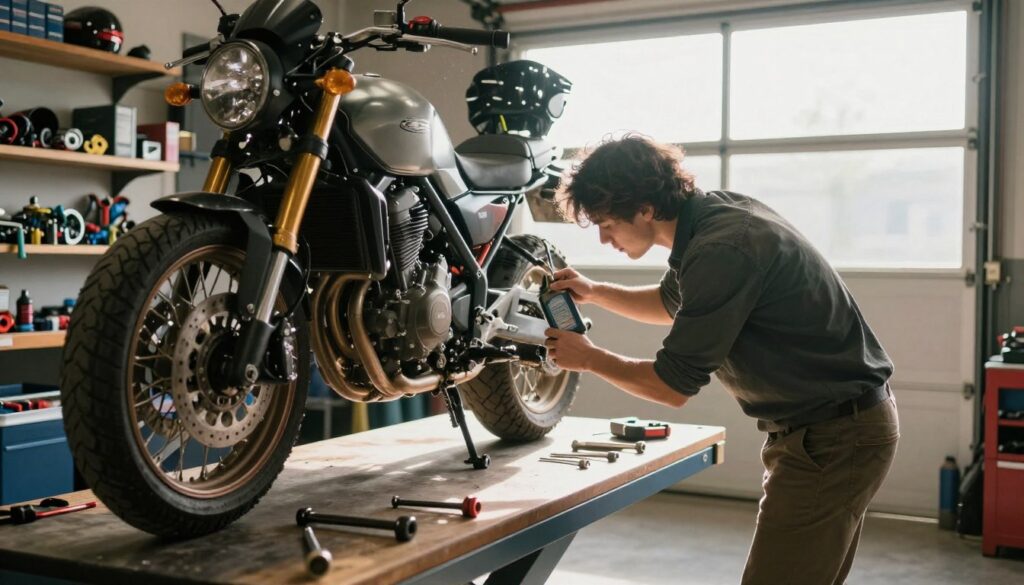
To perform these DIY tasks effectively, riders need the right tools. Investing in a basic toolkit that includes items like a socket set, wrenches, and tire pressure gauges can make a significant difference. “Having the right tools not only makes the job easier but also ensures that tasks are done correctly,” notes a seasoned mechanic.
While DIY maintenance can be rewarding and cost-effective, there are times when seeking professional help is the best course of action. Complex repairs, such as those involving the engine or electrical systems, often require specialized knowledge and tools. Riders should know their limits and not hesitate to consult a professional when faced with tasks beyond their expertise.
“If you’re unsure about any aspect of the repair or maintenance, it’s always best to consult a professional mechanic to avoid causing further damage to your motorcycle.”
By mastering basic DIY maintenance tasks, investing in the right tools, and knowing when to seek help, motorcycle riders can significantly reduce their repair expenses and enjoy a more satisfying riding experience.
When it comes to maintaining your motorcycle, the quality of parts and fluids used can significantly impact its performance and longevity. Using subpar components might save you money upfront, but it can lead to more frequent repairs and replacements down the line.
Cheap parts often compromise on quality, leading to premature wear and potentially causing damage to other components. For instance, a low-quality air filter might not filter dust and debris effectively, leading to engine wear. Investing in quality parts, even if they’re more expensive initially, can save you money and hassle in the long run.
When it comes to replacement parts, riders often face the dilemma of choosing between Original Equipment Manufacturer (OEM) parts and aftermarket alternatives. Understanding the benefits of each can help you make informed decisions.
OEM parts are made by the same manufacturer that produced the original components of your motorcycle. They are designed to meet the exact specifications of your bike, ensuring a perfect fit and optimal performance. Using OEM parts can maintain your motorcycle’s warranty and potentially increase its resale value.
Aftermarket parts, on the other hand, are produced by third-party manufacturers. While some aftermarket parts may be of lower quality, many reputable brands offer high-quality alternatives that can even improve upon the original specifications. It’s essential to research and choose aftermarket parts from trusted manufacturers.
| Part Type | OEM | Aftermarket |
|---|---|---|
| Air Filter | Guaranteed fit, maintains warranty | Potential for improved performance |
| Brakes | Exact specifications, reliable | Variety of quality levels, some offer upgrades |
| Suspension | Original performance, easy to replace | Options for customization and upgrade |
Using the correct oil and fluids is crucial for your motorcycle’s engine and component longevity. The wrong type or quality of fluid can lead to premature wear, corrosion, or even engine failure. Always refer to your owner’s manual for the recommended fluid types and change intervals.
By choosing quality parts and fluids, you not only ensure your motorcycle runs smoothly but also potentially avoid costly repairs down the line. Whether you opt for OEM or aftermarket parts, the key is to prioritize quality and compatibility.
Understanding the costs associated with engine overhauls is crucial for motorcycle owners. The term “biaya turun mesin motor matic” refers to the cost of overhauling the engine of an automatic motorcycle, a significant concern for many riders.
An engine overhaul involves a comprehensive disassembly and inspection of the engine to identify and rectify any issues. This process includes cleaning, repairing, or replacing worn-out or damaged parts to restore the engine’s performance and longevity.
Key components typically inspected during an overhaul include:
Recognizing the signs that indicate your engine needs an overhaul can help you address issues before they become catastrophic.
Unusual noises, such as knocking or grinding sounds, and excessive vibrations are often indicative of internal engine problems.
A noticeable decrease in your motorcycle’s power and performance could signal that the engine is in need of an overhaul.
If your motorcycle is consuming more oil than usual, it may be a sign of worn piston rings or cylinder walls.
Regular maintenance is key to extending the life of your motorcycle’s engine. This includes regular oil changes, filter replacements, and checking for any signs of wear and tear.
| Maintenance Task | Frequency | Benefit |
|---|---|---|
| Oil Change | Every 5,000 km | Reduces engine wear |
| Air Filter Replacement | Every 10,000 km | Improves engine performance |
| Coolant Check | Every 15,000 km | Prevents overheating |
By understanding the costs and signs associated with engine overhauls and adhering to a regular maintenance schedule, you can significantly reduce the likelihood of needing a costly overhaul.
To keep your motorcycle in top condition, it’s essential to adopt safe and mindful riding habits. Riding habits have a significant impact on the longevity and overall health of your motorcycle.
Proper warm-up and cool-down procedures are crucial for maintaining your motorcycle’s engine health. Before hitting the road, allow your motorcycle to warm up for a few minutes. This helps the engine oil circulate and reach optimal operating temperature. Similarly, after a long ride, let your motorcycle cool down before shutting it off. This practice helps prevent damage to the engine and other components.
Aggressive riding is a surefire way to reduce your motorcycle’s lifespan.
Smooth throttle control is essential for reducing wear on your motorcycle’s engine and transmission. Avoid sudden acceleration and deceleration, as these can cause unnecessary stress on the engine and brakes.
Proper braking techniques not only enhance safety but also reduce wear on your motorcycle’s braking system. Use both brakes judiciously and avoid slamming on the brakes, as this can cause premature wear on the brake pads and rotors.
Overloading your motorcycle can lead to premature wear on the suspension, engine, and other components. Always check your motorcycle’s payload capacity and avoid exceeding it. Distribute cargo evenly and secure it properly to maintain balance and stability.
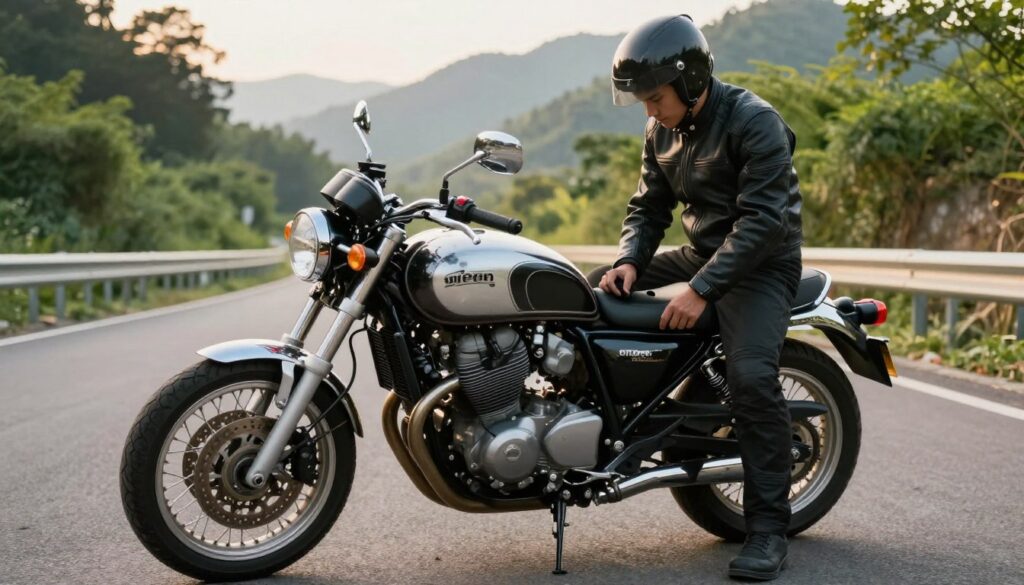
As Motorcycle Consumer News aptly puts it, “The way you ride has a significant impact on the life of your motorcycle.” By adopting these riding habits, you can significantly extend the life of your motorcycle and ensure a smoother, safer riding experience.
| Riding Habit | Benefit |
|---|---|
| Proper Warm-Up and Cool-Down | Engine Health |
| Smooth Throttle Control | Reduced Wear on Engine and Transmission |
| Proper Braking Techniques | Enhanced Safety and Reduced Brake Wear |
| Managing Weight and Cargo | Prevents Overloading and Premature Wear |
To keep your motorcycle in top condition, it’s essential to shield it from the elements. Exposure to harsh weather can lead to rust, corrosion, and other forms of damage that can significantly shorten its lifespan.
One of the most effective ways to protect your motorcycle is by storing it properly. The choice between indoor and outdoor storage depends on several factors, including availability, budget, and personal preference.
Indoor storage is generally considered the best option as it provides protection from direct sunlight, rain, and snow. If indoor storage isn’t feasible, a covered area or a high-quality motorcycle cover can be a good alternative.
When selecting a motorcycle cover, look for one that is waterproof, breathable, and UV-resistant. A good cover can protect your bike from dust, moisture, and sunlight, thereby reducing the risk of corrosion and paint damage.
In addition to proper storage, applying weatherproofing measures can further protect your motorcycle. Regularly waxing the bike, using rust inhibitors on metal parts, and sealing electrical components can help prevent corrosion.
Different seasons bring different challenges for motorcycle owners. For instance, during winter, it’s crucial to protect your bike from salt and moisture that can cause corrosion. In the summer, protecting your motorcycle from intense sunlight is key.
By following these tips and being mindful of the elements, you can significantly extend the life of your motorcycle and keep it running smoothly for years to come.
A good mechanic is more than just a service provider; they’re a partner in keeping your motorcycle in top condition. Building a relationship with a reliable mechanic can lead to better service, fairer prices, and a longer lifespan for your motorcycle.
Identifying a trustworthy mechanic involves several key steps. First, look for certifications and experience. A mechanic with industry-recognized certifications, such as those from the National Institute for Automotive Service Excellence (ASE), demonstrates a level of competence.
When evaluating a mechanic’s qualifications, consider their experience with your motorcycle’s make and model. More experienced mechanics are likely to diagnose problems more accurately and efficiently.
Another crucial step is reading reviews from other customers and asking for recommendations. Online platforms like Yelp and Google Reviews can provide insights into a mechanic’s reputation and quality of work. Personal recommendations from fellow motorcycle enthusiasts can also be invaluable.
Once you’ve identified a potential mechanic, ensure you get a fair quote for the work needed. A reliable mechanic will provide a detailed estimate, explaining the necessary repairs and associated costs. Be wary of significantly lower quotes, as they may indicate subpar parts or workmanship.
Building a long-term relationship with your mechanic can lead to numerous benefits, including priority service, more accurate diagnoses, and potentially lower costs over time. Regularly scheduled maintenance is a great opportunity to foster this relationship.
By following these guidelines, you can establish a strong, trusting relationship with a reliable mechanic, ensuring your motorcycle receives the best possible care.
By following the tips outlined in this article, you can significantly reduce your motorcycle’s repair expenses. Regular maintenance is key to extending the life of your bike and avoiding costly repairs.
A well-planned motorcycle maintenance summary includes sticking to a regular maintenance schedule, learning basic DIY tasks, and using quality parts and fluids. These practices not only save you money but also ensure your safety on the road.
Adopting good riding habits, such as proper warm-up and cool-down procedures, and managing weight and cargo properly, can also contribute to reducing repair costs. Protecting your motorcycle from the elements and building a relationship with a reliable mechanic are equally important.
By implementing these strategies, you can enjoy a cost-effective and safe riding experience. Your motorcycle is a significant investment, and with the right care, it will provide you with years of trouble-free riding.

Việc của bet thủ là chỉ cần đặt cược con số may mắn mà mình dự đoán sẽ trúng với số tiền cược hợp lý. Hệ thống tiến hành quay thưởng và cập nhật ngay sau đó, tỷ lệ thưởng xn88 có thể lên tới 1 ăn 99. TONY02-25O