Address
304 North Cardinal St.
Dorchester Center, MA 02124
Work Hours
Monday to Friday: 7AM - 7PM
Weekend: 10AM - 5PM
Address
304 North Cardinal St.
Dorchester Center, MA 02124
Work Hours
Monday to Friday: 7AM - 7PM
Weekend: 10AM - 5PM
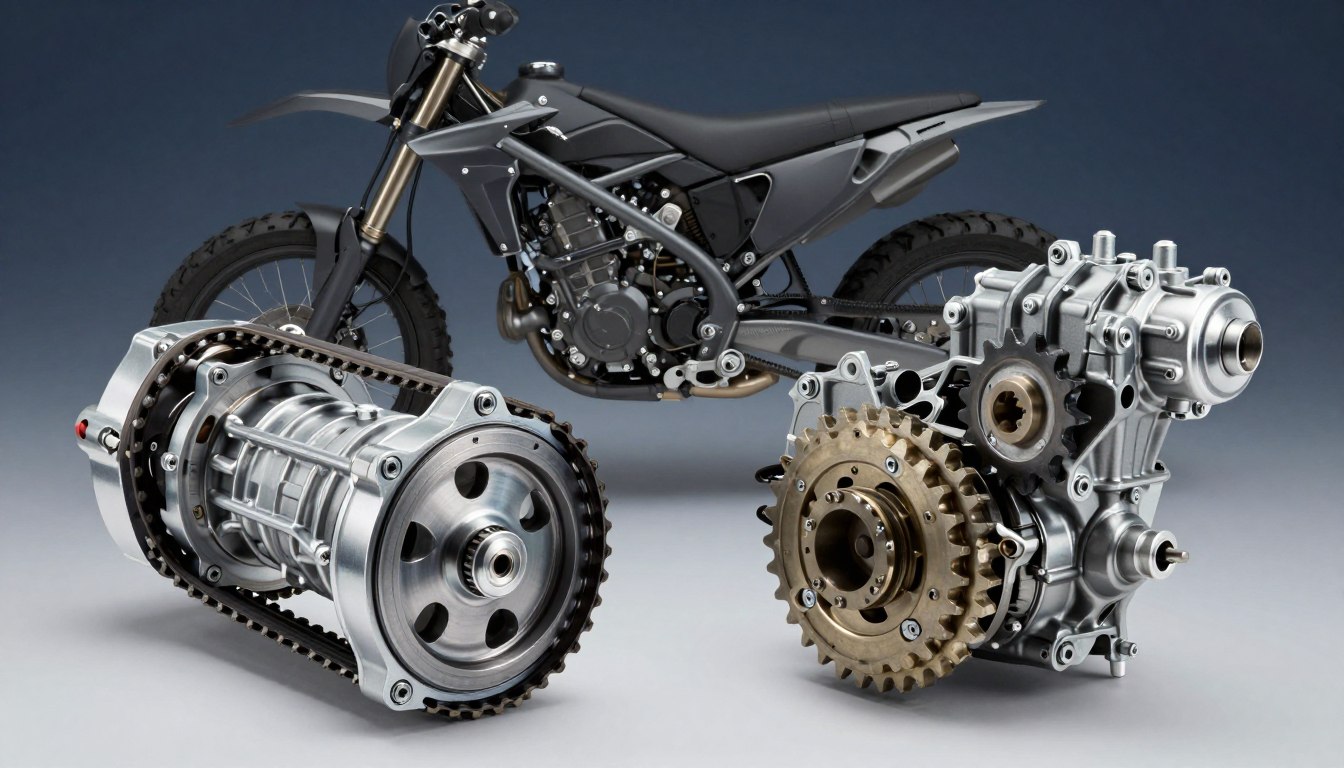
Choosing a new bike involves more than just picking a favorite color or engine size. It is really about how you want to interact with the machine while traveling. This transmission comparison explores how different gear setups affect your control and comfort on the street.
Many riders enjoy the simplicity of a CVT transmission when navigating through heavy city traffic. Others prefer the mechanical engagement of a manual transmission on long, winding country roads. Both types of motorcycle transmissions provide specific advantages that cater to various skill levels.
The way you shift gears will define your entire experience on two wheels. Understanding these systems is the first step toward finding the perfect ride for your lifestyle. We will break down the mechanics and maintenance costs to help you choose wisely.
Understanding the basics of motorcycle transmission systems is essential for any rider looking to get the most out of their vehicle. Motorcycle transmission systems are designed to transmit power from the engine to the wheels, enabling the motorcycle to move. The type of transmission used can significantly affect the riding experience, performance, and overall efficiency of the motorcycle.
A transmission is a critical component of a motorcycle’s powertrain, responsible for adjusting the gear ratio to optimize power and speed according to the riding conditions. It matters because it directly impacts the motorcycle’s performance, fuel efficiency, and the rider’s ability to control the vehicle.
The transmission system ensures that the engine operates within its optimal power range, thereby enhancing the motorcycle’s acceleration, top speed, and overall responsiveness.
The transmission plays a pivotal role in determining a motorcycle’s performance characteristics, including its acceleration, top speed, and responsiveness. By adjusting the gear ratio, the transmission enables the engine to produce the optimal amount of power and torque for various riding conditions.
Key aspects of transmission’s role in performance include:
Motorcycle transmissions are primarily categorized into two types: Automatic Continuously Variable Transmission (CVT) and Manual Transmission. Each type has its unique characteristics, advantages, and suitability for different riding styles and preferences.
CVT transmissions are known for their simplicity and ease of use, making them ideal for casual riders and urban commuting. On the other hand, manual transmissions offer riders more control over the motorcycle, allowing for a more engaging and dynamic riding experience.
Continuously Variable Transmission (CVT) technology has revolutionized the way motorcycles operate, providing a smooth and efficient ride. CVT transmissions are a type of automatic transmission that allows riders to focus on the road without the need for manual gear shifting.
CVT technology uses a belt and pulley system to provide an infinite number of gear ratios, allowing the engine to always operate within its optimal power range. This results in improved fuel efficiency and reduced emissions.
The CVT system consists of two variable-diameter pulleys connected by a belt. As the engine speed changes, the pulleys adjust their diameter to change the gear ratio, ensuring that the engine remains in its optimal power band.
CVT transmissions are considered automatic because they do not require the rider to manually shift gears. The transmission automatically adjusts the gear ratio based on the engine speed and load, providing a seamless riding experience.
Several popular motorcycles use CVT systems, offering riders the benefits of automatic transmission. Some of these models include:
The Honda PCX 160 is a popular scooter that features a CVT transmission, providing a smooth and efficient ride. Its CVT system allows for easy maneuverability in urban environments.
The Yamaha NMAX 155 is another scooter that utilizes CVT technology, offering a balance of performance and fuel efficiency. Its CVT transmission ensures a seamless acceleration experience.
The Vespa Primavera 150 is a stylish scooter that features a CVT transmission, making it easy to ride in heavy traffic conditions. The CVT system provides a smooth and comfortable ride.
The BMW C 400 GT is a high-performance scooter that uses a CVT transmission, offering a blend of power and efficiency. Its CVT system allows for smooth acceleration and deceleration.
Manual transmissions on motorcycles provide a unique riding experience that combines skill and mechanical connection. Unlike automatic transmissions, manual transmissions require riders to actively engage in the gear-shifting process, offering a more immersive experience.
A manual transmission on a motorcycle operates through a combination of the clutch lever, gear shifter, and gearbox. The rider uses the clutch lever to disconnect the engine from the transmission, allowing for gear changes. The gear shifter is used to select the desired gear, and the process is repeated for each gear change.
The clutch lever is typically located on the handlebar and is operated by the rider’s left hand. When the clutch is pulled in, it disengages the engine from the transmission, allowing the rider to shift gears using the foot-operated gear shifter.
Motorcycle manual transmissions typically use a sequential shifting pattern. This means that the rider must shift through the gears in sequence (e.g., from first to second, second to third, etc.). The sequential pattern is designed to simplify the shifting process and reduce the likelihood of missing a gear.
The benefits of sequential shifting include improved control and a more straightforward shifting process. However, it requires the rider to be mindful of their gear selection and to use the clutch and gear shifter smoothly.
Several popular motorcycles feature manual transmissions, catering to a range of riding styles and preferences. Some of these include:
The Honda CB500F is a great example of a motorcycle that is well-suited for riders who prefer a manual transmission. It offers a comfortable riding position and a smooth power delivery, making it an excellent choice for both new and experienced riders.
The Yamaha MT-07 is another popular choice among motorcyclists. Its manual transmission is praised for its smooth and precise shifting, and the bike’s overall handling is highly regarded.
The Kawasaki Ninja 400 is a sport-oriented motorcycle that features a manual transmission. It’s designed for riders who enjoy the thrill of shifting gears and experiencing the power of the engine.
The Harley-Davidson Street 750 offers a unique take on the manual transmission experience. It’s designed for riders who appreciate the heritage and style of Harley-Davidson motorcycles, combined with the engagement of a manual transmission.
At the heart of CVT transmissions lies a sophisticated pulley and belt system that enables the seamless transition between different gear ratios. This intricate mechanism is what sets CVT transmissions apart from their manual counterparts.
The pulley and belt system is the core component of a CVT transmission. It consists of two variable diameter pulleys connected by a V-belt.
The variable diameter pulleys are designed to change their diameter in response to the engine’s speed and load. This is achieved through a system of springs and weights that adjust the pulley’s diameter, thereby changing the gear ratio.
The V-belt is a critical component that connects the two pulleys. As the pulleys change their diameter, the V-belt adjusts its position, allowing for a smooth transition between different gear ratios.
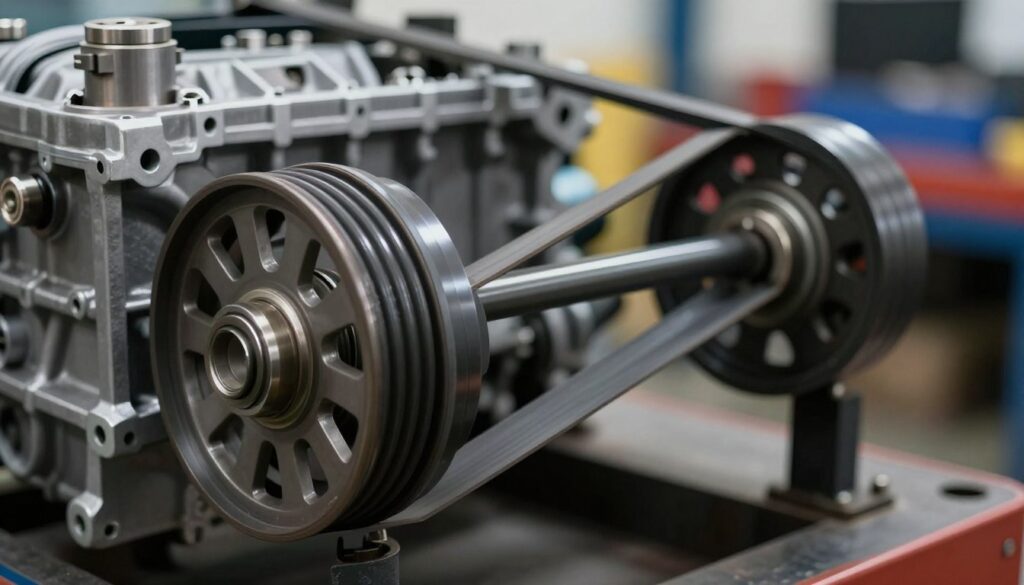
One of the key benefits of CVT transmissions is their ability to change gear ratios automatically. This is achieved through a complex interplay between the engine, the pulleys, and the V-belt. As the engine speed increases, the pulleys adjust their diameter, allowing the V-belt to move to a different position, thereby changing the gear ratio.
The centrifugal clutch is another crucial component of CVT transmissions. It is responsible for engaging and disengaging the engine from the transmission, depending on the engine’s speed. When the engine is idling, the centrifugal clutch is disengaged, allowing the engine to run independently of the transmission. As the engine speed increases, the clutch engages, connecting the engine to the transmission and allowing power to be transmitted to the wheels.
The combination of the pulley and belt system, automatic gear ratio changes, and the centrifugal clutch mechanism makes CVT transmissions a sophisticated and efficient technology.
Manual transmissions are a staple in the motorcycle world, offering riders control and precision. The operation of a manual transmission involves several key components working together seamlessly.
The clutch lever is a critical component of a manual transmission system. It allows riders to disconnect the engine from the transmission, enabling smooth gear changes. When the clutch lever is pulled in, it disengages the clutch, separating the engine from the transmission.
The gear shifting process in a manual transmission involves a combination of clutch control and gear selector operation. Riders must coordinate the clutch lever with the gear selector to change gears smoothly.
Upshifting involves moving to a higher gear as the motorcycle gains speed. To upshift, riders typically roll off the throttle, pull in the clutch lever, shift into the next gear, and then release the clutch lever while rolling back on the throttle.
Downshifting is the process of shifting into a lower gear, typically to slow down or prepare for a turn. It involves a similar process to upshifting but requires careful management of engine braking and clutch control.
Most manual transmission motorcycles use a sequential gearbox system, where gears are selected in sequence. This system ensures that riders can only shift gears in order, preventing accidental skipping of gears.
The perbedaan CVT motor matic dan manual is a critical consideration for riders looking to choose the right motorcycle for their needs. Understanding these differences can significantly impact the riding experience, performance, and overall satisfaction with the vehicle.
One of the primary differences between CVT and manual transmissions lies in their operation. CVT transmissions operate automatically, adjusting gear ratios seamlessly without rider input. In contrast, manual transmissions require riders to manually shift gears using a clutch and gear lever.
Key operational differences include:
The mechanical complexity of CVT and manual transmissions varies significantly. CVT systems are generally simpler, with fewer moving parts compared to manual transmissions. This simplicity can lead to reduced maintenance needs for CVT systems.
Rider involvement differs substantially between CVT and manual transmissions. Manual transmissions offer riders more control over the motorcycle, allowing for a more engaging riding experience. CVT transmissions, while easier to use, especially for beginners, provide a more straightforward, less engaging experience.
The power delivery characteristics of CVT and manual transmissions also differ. CVT transmissions provide smooth, continuous power delivery, which can be beneficial for casual, urban riding. Manual transmissions offer more direct control over power delivery, which can be advantageous for performance riding or navigating challenging terrain.
Finally, the weight and size of CVT and manual transmissions can vary. Generally, CVT systems are designed to be more compact and can be lighter due to their simpler mechanical design. Manual transmissions, while sometimes heavier and larger, offer a more traditional riding experience that many enthusiasts prefer.
In conclusion, the differences between CVT and manual motorcycle transmissions are multifaceted, encompassing operational, mechanical, and performance aspects. Understanding these differences is crucial for riders to make informed decisions that best suit their riding style and preferences.
Understanding the performance differences between CVT and manual transmissions is crucial for motorcycle enthusiasts looking to choose the right bike for their needs. The type of transmission used in a motorcycle significantly affects its overall performance, including aspects such as acceleration, top speed, and fuel efficiency.
When it comes to acceleration and top speed, manual transmissions generally have an edge over CVT transmissions. Manual transmissions allow riders to have more control over gear shifts, enabling them to optimize acceleration and achieve higher top speeds. For instance, sport motorcycles equipped with manual transmissions can accelerate from 0 to 60 mph in under 3 seconds and reach top speeds over 180 mph.
In contrast, CVT transmissions, while providing smooth and seamless acceleration, typically can’t match the quickness and top-end speed of manual transmissions. However, advancements in CVT technology have narrowed this gap, with some high-performance CVT motorcycles offering impressive acceleration and respectable top speeds.
| Transmission Type | 0-60 mph Acceleration | Top Speed |
|---|---|---|
| Manual | 2.5 seconds | 185 mph |
| CVT | 3.2 seconds | 165 mph |
Fuel efficiency is another critical aspect where CVT and manual transmissions differ. CVT transmissions are generally more fuel-efficient, especially in city riding conditions, due to their ability to maintain the engine at its most efficient RPM.
In city riding, CVT transmissions excel due to their smooth and continuous power delivery. They eliminate the need for frequent gear shifting, making them ideal for stop-and-go traffic. Riders can enjoy a more relaxed riding experience without the constant need to shift gears.
On the highway, the fuel efficiency difference between CVT and manual transmissions can be less pronounced, with some manual transmissions offering comparable or even better fuel economy when ridden by an experienced rider who can optimize gear shifts for efficiency.
“The CVT’s ability to keep the engine running within its optimal power band makes it particularly efficient for urban commuting.”
Hill climbing and power management are areas where manual transmissions offer distinct advantages. Riders can manually adjust gears to match the terrain, ensuring they have the necessary power to climb steep hills. CVT transmissions, while capable, can sometimes feel less responsive or “rubber-bandy” when faced with steep inclines, as the transmission continuously adjusts to find the optimal gear ratio.
In conclusion, the choice between CVT and manual transmissions depends on the rider’s priorities. For those who value ease of use and fuel efficiency in city riding, CVT might be the preferred choice. For riders seeking performance, control, and the thrill of manual gear shifting, manual transmissions remain the better option.
The maintenance requirements for CVT and manual transmissions differ significantly, impacting overall ownership costs. Understanding these differences is crucial for motorcycle owners to budget and maintain their vehicles effectively.
CVT transmissions require specific maintenance tasks to ensure they operate smoothly. These tasks include:
The belt replacement interval varies by manufacturer, but it’s generally recommended every 10,000 to 15,000 miles. Neglecting this can lead to belt failure, causing significant damage to the transmission.
Servicing the rollers and pulleys involves inspecting for wear and replacing them if necessary. This maintenance task is crucial for maintaining the efficiency of the CVT system.
Regular maintenance of the air filter and oil is vital. A dirty air filter can decrease performance, while old oil can cause engine and transmission problems.
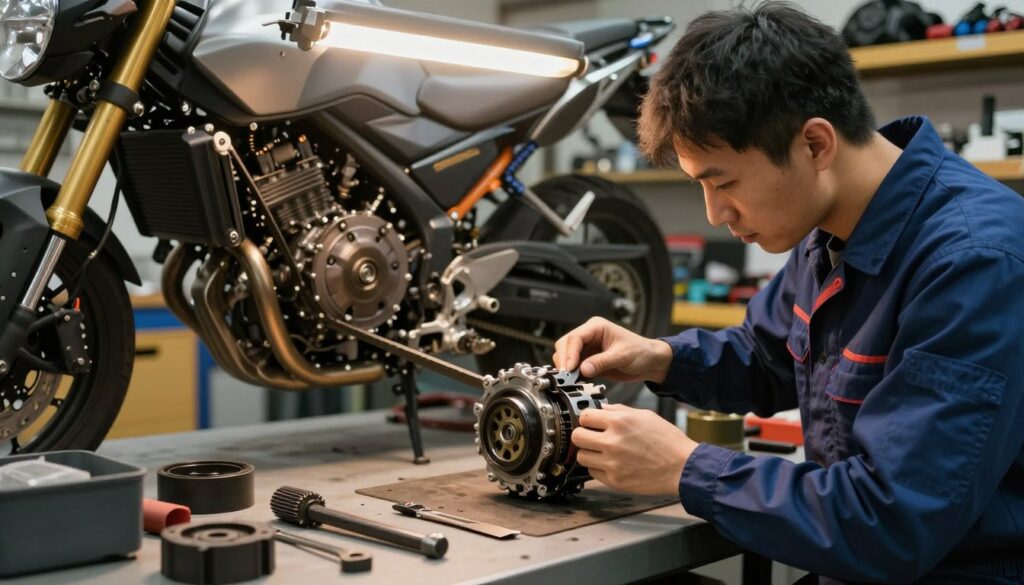
Manual transmissions also have their maintenance requirements, which include:
The clutch should be inspected regularly, and replaced when signs of wear appear. Riding style significantly affects clutch longevity.
Changing the transmission oil at the recommended intervals helps in maintaining the health of the manual transmission.
Proper adjustment of the clutch and gearshift cables ensures smooth shifting and clutch operation. This is a relatively simple task that can be done during routine maintenance checks.
In conclusion, both CVT and manual transmissions have unique maintenance needs. Understanding and adhering to these requirements can help motorcycle owners prevent costly repairs and ensure their vehicles remain in good condition.
Understanding the learning curve and ease of use is crucial when deciding between CVT and manual motorcycle transmissions. Both types have their unique characteristics that affect how riders interact with their motorcycles.
CVT systems are often praised for their beginner-friendliness. They eliminate the need for manual gear shifting, allowing new riders to focus on other aspects of motorcycle control. This simplicity makes CVT motorcycles an excellent choice for those new to riding.
For instance, CVT motorcycles are ideal for:
Mastering a manual transmission requires more effort and practice. Riders need to develop clutch control and coordination to shift gears smoothly.
Developing clutch control is essential for smooth acceleration and deceleration. It involves understanding the biting point where the clutch engages with the engine.
Riders must also master the coordination between the clutch, gear shifter, and throttle. This requires practice to achieve seamless transitions between gears.
In urban riding scenarios, CVT motorcycles offer significant convenience due to their automatic nature. Riders can focus on navigating through traffic without the need to manually shift gears.
In heavy traffic or stop-and-go scenarios, CVT motorcycles are particularly advantageous. They eliminate the need for frequent clutching and shifting, reducing rider fatigue.
On the other hand, experienced riders may prefer manual transmissions for their control and engagement, even in urban environments.
Understanding the cost comparison between CVT and manual transmissions is crucial for potential motorcycle buyers. The financial implications of choosing between these two transmission types extend beyond the initial purchase price to include long-term ownership costs, resale value, and insurance costs.
The initial purchase price is a significant factor for many buyers. Generally, motorcycles with CVT transmissions tend to be more affordable upfront compared to their manual counterparts.
CVT motorcycles are often priced lower, making them more accessible to new riders or those on a tighter budget. For example, entry-level scooters with CVT transmissions can start as low as $2,000.
While manual transmission motorcycles can be more expensive, there are budget-friendly options available, particularly in the used motorcycle market. Buyers can find older models or less powerful bikes with manual transmissions at competitive prices.
| Transmission Type | Average Price Range |
|---|---|
| CVT | $2,000 – $5,000 |
| Manual | $3,000 – $6,000 |
Long-term ownership costs include maintenance, fuel, and repair expenses. CVT transmissions are generally considered to be more maintenance-friendly, with fewer components that can fail.
Maintenance Costs: CVT transmissions typically require less maintenance than manual transmissions, as they have fewer complex components.
The resale value of a motorcycle can significantly impact the overall cost of ownership. Manual transmission motorcycles often retain their value better than CVT models, particularly among enthusiast buyers.
“Manual transmission motorcycles tend to have a stronger resale market, especially for high-performance models.”
Insurance costs can also vary between CVT and manual transmission motorcycles. Generally, insurance premiums for manual transmission bikes are slightly higher due to the perceived higher risk of accidents associated with manual transmissions.
In conclusion, while CVT motorcycles may offer a lower initial purchase price, the overall cost of ownership and other factors such as resale value and insurance costs should be carefully considered when deciding between CVT and manual transmissions.
Understanding your riding needs is key to determining whether a CVT or manual transmission is best for you. The choice between these two transmission types can significantly affect your overall riding experience, including factors such as ease of use, performance, and maintenance.
CVT motorcycles are ideal for certain riding scenarios and preferences. They offer ease of use and convenience, making them suitable for various types of riders.
For those who primarily ride in urban environments, CVT motorcycles are a great choice. They simplify the riding experience in heavy traffic conditions, allowing riders to focus on the road rather than gear shifting.
New riders benefit from CVT motorcycles as they eliminate the need to learn how to use a clutch and shift gears, making the learning process less intimidating.
Riders who prioritize convenience and ease of use will find CVT motorcycles to be an excellent option. They provide a hassle-free riding experience, especially in stop-and-go traffic.
Manual transmissions, on the other hand, are better suited for certain types of riders and riding conditions. They offer more control over the motorcycle and can enhance the riding experience for those who enjoy the engagement of shifting gears.
For enthusiast riders who enjoy the thrill of riding and being fully engaged with their motorcycle, manual transmissions provide a more immersive experience.
Manual transmissions can be preferable for long-distance touring as they allow riders to have more control over gear shifting, which can be beneficial on varied terrain.
Riders who focus on performance will appreciate the ability to manually control gear shifts, allowing for better acceleration and engine braking.
Ultimately, the decision between a CVT and a manual transmission comes down to your lifestyle and riding style. Consider factors such as your typical riding environment, your level of experience, and what you value most in a riding experience.
| Transmission Type | Ideal For | Key Benefits |
|---|---|---|
| CVT | Urban commuters, new riders, convenience-focused riders | Ease of use, simplicity in traffic |
| Manual | Enthusiast riders, long-distance touring, performance-oriented riding | More control, enhanced riding experience, better performance |
Choosing between a CVT and a manual transmission motorcycle depends on several factors, including riding style, personal preference, and intended use. The comparison between CVT and manual transmissions reveals distinct advantages and disadvantages for each type.
CVT motorcycles offer ease of use and convenience, particularly in urban riding scenarios, making them suitable for beginners or those who prioritize comfort in stop-and-go traffic. On the other hand, manual transmissions provide a more engaging riding experience and better control over the motorcycle, appealing to enthusiasts who enjoy the thrill of shifting gears.
The CVT and manual transmission conclusion is that the right choice depends on your specific needs and preferences. By considering factors such as performance requirements, maintenance costs, and riding conditions, you can make an informed decision. This transmission comparison summary highlights the importance of understanding the differences between CVT and manual transmissions to choose the best motorcycle for your lifestyle.

Chỉ có tại xn88 , bạn mới được hưởng chính sách giới thiệu bạn bè nhận hoa hồng cực cao. Chia sẻ niềm vui, nhận ngay tiền thưởng. TONY03-02O