Address
304 North Cardinal St.
Dorchester Center, MA 02124
Work Hours
Monday to Friday: 7AM - 7PM
Weekend: 10AM - 5PM
Address
304 North Cardinal St.
Dorchester Center, MA 02124
Work Hours
Monday to Friday: 7AM - 7PM
Weekend: 10AM - 5PM
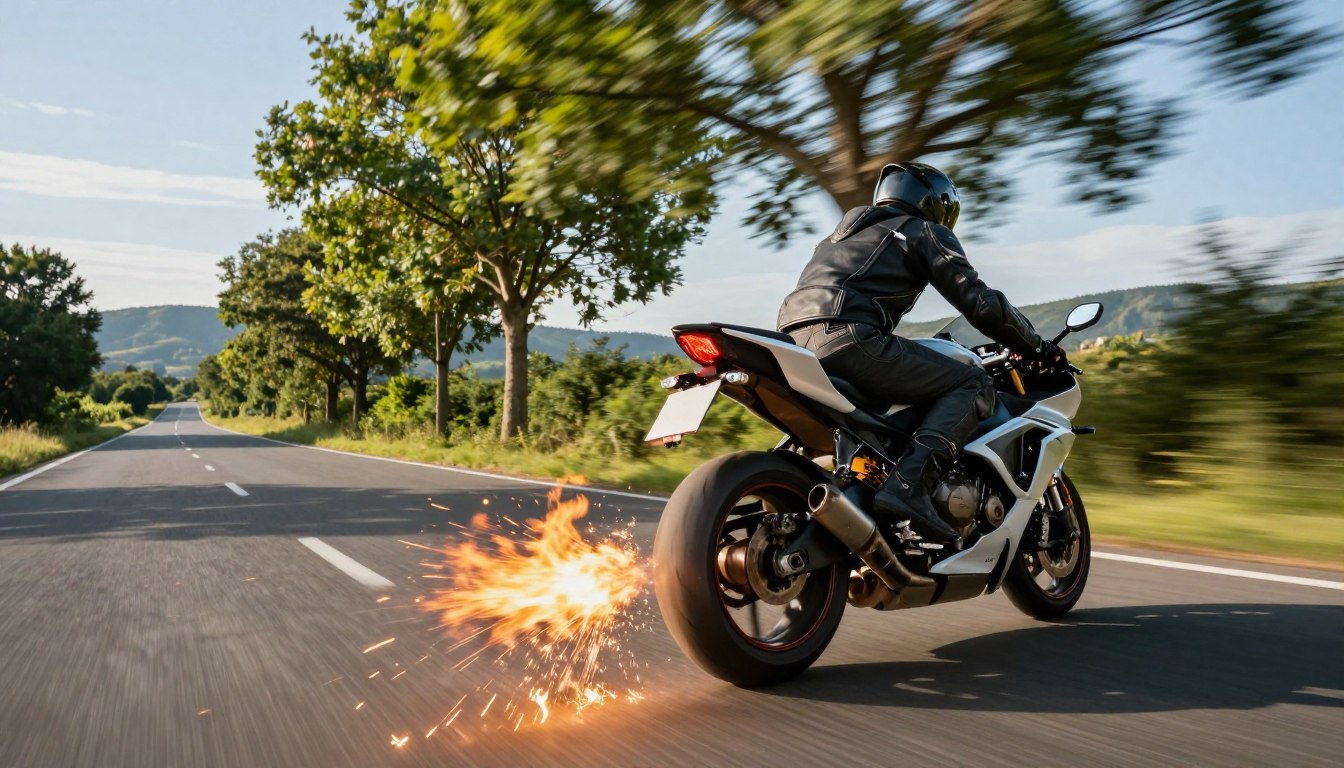
There is nothing quite like the feeling of hitting the open road on a sunny afternoon. However, that peace often disappears when your bike makes a loud, startling noise. If you notice your motorcycle backfiring, it can turn a fun ride into a stressful experience very quickly.
This common issue often happens right when you twist the throttle to gain speed. A backfire when accelerating usually indicates that something is wrong with how your engine burns fuel. It might sound like a gunshot or a sharp pop coming from your exhaust pipe.
Understanding why this happens is the first step toward fixing your ride and staying safe. We will explore simple causes like dirty carburetors and more complex issues like exhaust leaks. Learning about motorcycle backfiring helps you maintain your machine and enjoy the journey without worry.
When a motorcycle backfires, it’s not just a loud noise; it’s a signal that something needs attention. Backfiring can be startling and is often a sign of an underlying issue that needs to be addressed to prevent further damage to the motorcycle.
Understanding the basics of backfiring is crucial for any motorcycle rider. It’s not just about fixing the immediate problem but also about maintaining the overall health of the vehicle. Regular motorcycle maintenance can help prevent backfiring and ensure a smoother ride.
Backfiring refers to the explosion or ignition of fuel outside the combustion chamber, typically in the exhaust system. This can happen when the fuel-air mixture in the engine is not properly combusted, leading to unburned fuel making its way into the exhaust system where it ignites.
The result is a loud bang or popping sound, which can be alarming. Backfiring can occur during various engine operations, including acceleration, deceleration, or when the engine is under load.
Many riders confuse backfiring with afterfire, but they are distinct phenomena. Afterfire occurs when the engine is shutting down or during deceleration, and it’s characterized by a popping or banging sound from the exhaust. Unlike backfiring, afterfire is generally less concerning and can be a normal occurrence in some cases, especially in performance-oriented motorcycles.
Backfiring, on the other hand, can happen at any time, including during acceleration, and is often a sign of a more serious issue such as a lean fuel mixture or ignition timing problems.
Acceleration triggers backfiring because it demands more power from the engine, requiring a richer fuel mixture. If the engine is not receiving the appropriate amount of fuel, or if the ignition timing is off, it can lead to unburned fuel entering the exhaust system and igniting, causing a backfire.
These are some of the common causes of backfiring during acceleration. Identifying and addressing these issues is crucial for preventing backfiring and ensuring the motorcycle runs smoothly and efficiently.
Backfiring in motorcycles during acceleration is not just annoying; it’s a sign of underlying problems that need to be addressed. Understanding the causes can help in diagnosing and fixing the issue effectively.
Motorcycle backfiring when accelerating can be attributed to several primary causes. These include issues with the air-fuel mixture, combustion timing, and other engine-related problems. As “a well-tuned engine is crucial for optimal performance”, any deviation from the ideal settings can lead to backfiring.
The air-fuel mixture plays a critical role in the combustion process. A mixture that is either too rich or too lean can cause backfiring. A lean mixture, with too much air and not enough fuel, can lead to unburned fuel igniting in the exhaust system, causing a backfire. Conversely, a rich mixture can also cause issues, as it may not burn completely, leading to afterfires or backfires.
“The air-fuel mixture is a critical factor in engine performance. A balance must be struck to prevent backfiring.”
Combustion timing is another vital factor that affects engine performance and can lead to backfiring if not properly adjusted. Incorrect ignition timing can cause the fuel to ignite at the wrong moment, leading to backfires. Ensuring that the combustion timing is correctly set is essential for preventing such issues.
The fuel system plays a critical role in your motorcycle’s performance, and issues within it can lead to backfiring. A well-functioning fuel system ensures the correct air-fuel mixture, which is essential for efficient combustion. When this balance is disrupted, it can result in backfiring.
A lean fuel mixture occurs when there’s too much air relative to fuel in the combustion chamber. This imbalance can cause the engine to run hotter than normal and lead to backfiring.
Symptoms of a lean fuel mixture include:
Lean conditions can be caused by:
On the other hand, a rich fuel mixture, which means too much fuel relative to air, can also cause backfiring. This condition can lead to unburned fuel igniting in the exhaust system.
Signs of a rich fuel mixture include:
Common causes of a rich mixture include:
Clogged or dirty fuel injectors can disrupt the fuel flow, leading to an improper air-fuel mixture. This can cause backfiring, especially during acceleration.
For motorcycles with carburetors, improper adjustment can lead to either a lean or rich fuel mixture, both of which can cause backfiring.
Here’s a summary of the common fuel system issues and their potential fixes:
| Issue | Symptoms | Potential Fix |
|---|---|---|
| Lean Fuel Mixture | Engine overheating, poor performance, backfiring | Check for vacuum leaks, clean or replace fuel filters |
| Rich Fuel Mixture | Black smoke, poor fuel efficiency, backfiring | Check oxygen sensor, clean or replace air filter, adjust carburetor |
| Clogged Fuel Injectors | Poor performance, backfiring | Clean or replace fuel injectors |
| Carburetor Adjustment Issues | Backfiring, poor performance | Adjust carburetor settings |
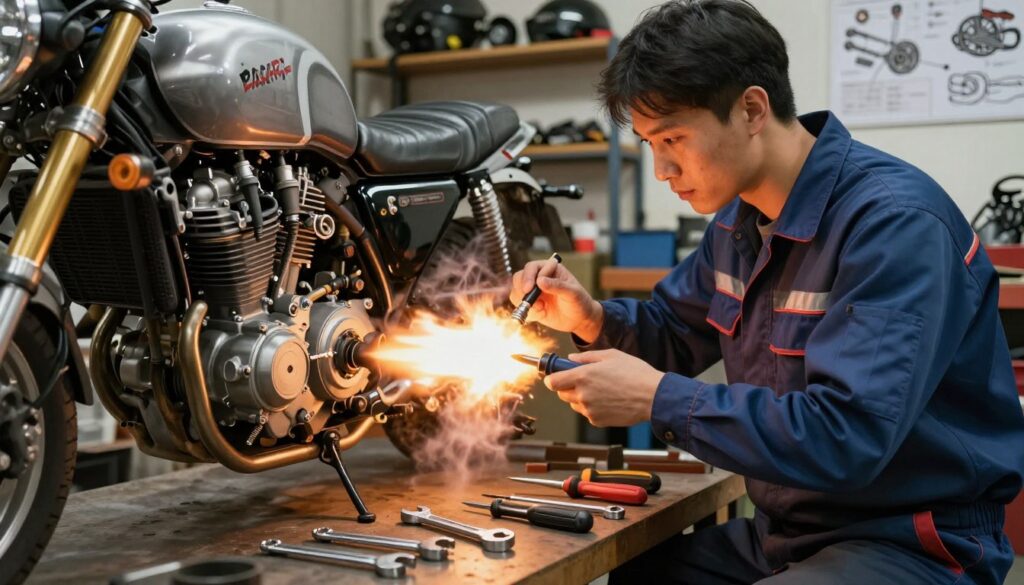
The ignition system plays a vital role in ensuring your motorcycle runs smoothly, and any malfunctions can result in backfiring. A properly functioning ignition system is essential for the correct combustion of the air-fuel mixture, and issues here can lead to performance problems.
Spark plugs are a critical component of the ignition system, responsible for igniting the air-fuel mixture in the engine’s combustion chamber. Over time, spark plugs can become worn or fouled, leading to weak sparks and potentially causing backfiring.
If you notice any of these signs, it’s essential to inspect and potentially replace your spark plugs to prevent backfiring and maintain optimal engine performance.
The ignition coil is another crucial element of the ignition system, responsible for generating the high voltage needed to create a spark in the spark plugs. Issues with the ignition coil, such as worn or damaged coils, can lead to a weak spark, causing backfiring during acceleration.
Ignition timing refers to the precise moment when the spark plug ignites the air-fuel mixture in the combustion chamber. If the ignition timing is off, it can cause the engine to run inefficiently, leading to backfiring. Incorrect ignition timing can be due to a variety of factors, including a faulty timing sensor or incorrect adjustment.
Spark plug wires and their connections are vital for delivering the high voltage from the ignition coil to the spark plugs. Damage or wear to these wires and connections can cause voltage leaks or interruptions, leading to weak sparks and backfiring. Regular inspection and maintenance of spark plug wires are necessary to prevent such issues.
A well-functioning exhaust system is crucial for the overall performance of your motorcycle, and issues within this system can lead to backfiring. The exhaust system is responsible for directing exhaust gases away from the motorcycle, reducing noise, and improving engine performance.
Exhaust leaks can cause significant problems, including backfiring. When there’s a leak in the exhaust system, it can lead to an imbalance in the air-fuel mixture, causing the engine to run poorly and potentially backfire. Common areas where leaks occur include the exhaust manifold, pipes, and connections. Identifying and fixing these leaks is crucial to maintaining optimal engine performance.
Many motorcycle owners opt for aftermarket exhaust modifications to improve performance or achieve a certain sound. However, if not done correctly, these modifications can lead to issues such as backfiring. Poorly designed or improperly installed aftermarket exhaust systems can disrupt the delicate balance of the engine’s operation, leading to problems like backfiring.
Exhaust gaskets play a critical role in sealing the exhaust system and ensuring it operates efficiently. When these gaskets are damaged or blown, they can cause leaks that lead to backfiring. Regular inspection and maintenance of exhaust gaskets are essential to prevent such issues.
The air intake system plays a critical role in your motorcycle’s performance, and issues here can lead to backfiring. A properly functioning air intake system ensures that the engine receives the right amount of air, which is crucial for the combustion process.
When the air intake system is compromised, it can lead to an imbalance in the air-fuel mixture, causing the engine to run either too rich or too lean. This imbalance can result in backfiring, among other performance issues.
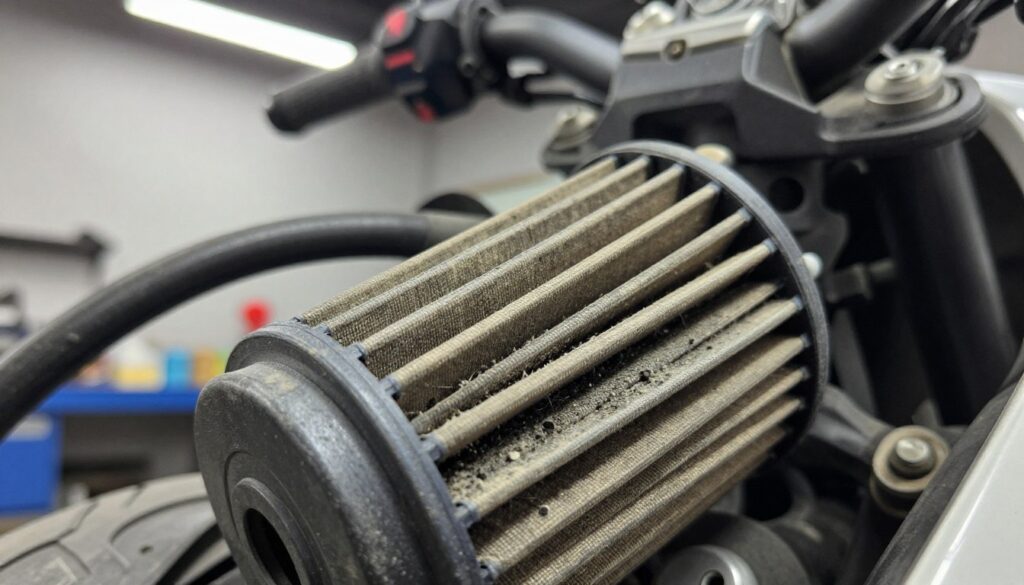
A dirty or clogged air filter is a common issue that can cause backfiring. The air filter’s role is to prevent dust and debris from entering the engine. When it becomes clogged, it restricts airflow, leading to a lean fuel mixture that can cause backfiring during acceleration.
Regular inspection and maintenance of the air filter are crucial. Cleaning or replacing the air filter as needed can prevent backfiring caused by restricted airflow.
Leaks in the air intake system can also cause backfiring. These leaks allow unmetered air to enter the engine, disrupting the air-fuel mixture and potentially causing the engine to run lean.
Inspecting the air intake system for leaks and sealing any gaps or cracks is essential for maintaining the correct air-fuel balance and preventing backfiring.
Improper installation of the air filter can lead to backfiring. If the air filter is not installed correctly, it can cause air leaks or restrict airflow, both of which can disrupt engine performance.
Ensuring that the air filter is installed according to the manufacturer’s instructions is vital for preventing issues related to air intake.
Modifying the air intake system can sometimes lead to backfiring if not done correctly. Aftermarket modifications might improve performance but can also disrupt the delicate balance of the air-fuel mixture if not properly tuned.
It’s crucial to tune the engine after any modifications to ensure that the air-fuel mixture remains optimal and to prevent backfiring.
The synchronization of engine components, particularly timing and valves, plays a crucial role in preventing backfiring. When these components are not properly aligned or are malfunctioning, it can lead to a range of issues, including backfiring. In this section, we’ll delve into the specifics of engine timing and valve problems that can cause your motorcycle to backfire.
Valve timing is critical for the proper operation of your motorcycle’s engine. If the valves are not opening and closing at the right time, it can disrupt the combustion process, leading to backfiring. Incorrect valve timing can be due to a variety of factors, including worn or damaged timing components.
Worn or damaged valves can also cause backfiring. Valves are responsible for allowing air and fuel into the combustion chamber and exhaust gases out. When they are damaged, it can lead to improper combustion, resulting in backfiring.
Intake valves are responsible for allowing the air-fuel mixture into the combustion chamber. If they are worn or damaged, it can lead to a lean or rich fuel mixture, causing backfiring. Symptoms of intake valve problems include decreased engine performance and fuel efficiency.
Exhaust valves, on the other hand, are responsible for expelling exhaust gases from the combustion chamber. Issues with exhaust valves can lead to backfiring, especially if they are not sealing properly or are damaged.
Valve clearance refers to the gap between the valve and the rocker arm or camshaft. If this clearance is incorrect, it can cause the valves to not open or close properly, leading to backfiring. Regular maintenance is key to ensuring proper valve clearance.
The camshaft is responsible for operating the valves. If the camshaft timing is off, it can cause the valves to open and close at the wrong time, disrupting the combustion process and leading to backfiring. Camshaft timing problems can be due to worn or damaged camshaft components.
To address backfiring, you need to understand the underlying causes and take a systematic approach to diagnosis. Diagnosing backfiring issues on your motorcycle involves a series of checks that help identify the root cause of the problem.
A visual inspection is the first step in diagnosing backfiring issues. This involves checking the motorcycle’s external components and looking for any obvious signs of damage or wear.
Start by inspecting the exhaust system, air filter, and spark plugs. Look for any signs of damage, such as cracks, dents, or excessive wear. Ensure all connections are secure and not loose.
Check for any obvious damage or wear on components like the exhaust pipe, muffler, and air filter housing. Any damage or wear in these areas can cause backfiring.
The fuel system is a critical area to check when diagnosing backfiring issues. This involves testing fuel pressure and inspecting fuel lines and filters.
Fuel pressure testing helps determine if the fuel system is functioning correctly. Low fuel pressure can cause a lean fuel mixture, leading to backfiring. Use a fuel pressure gauge to check the pressure against the manufacturer’s specifications.
Inspect the fuel lines for any signs of damage or blockages. Also, check the fuel filter for cleanliness and replace it if necessary. A clogged fuel filter can restrict fuel flow, causing backfiring.
The ignition system is another critical area to inspect when diagnosing backfiring. This includes checking spark plugs and testing ignition coils.
Remove the spark plugs and inspect them for wear or fouling. Worn or fouled spark plugs can cause misfires, leading to backfiring. Replace any spark plugs that are worn or damaged.
Use a multimeter to test the ignition coils for proper resistance. Faulty ignition coils can cause misfires and backfiring.
If you’re unable to diagnose or fix the backfiring issue yourself, it’s time to seek help from a professional mechanic. They have the tools and expertise to diagnose complex problems and perform necessary repairs.
Preventing backfiring on your motorcycle starts with a commitment to regular and thorough maintenance. By following a structured maintenance schedule and being mindful of the quality of fuel and engine oil used, riders can significantly reduce the likelihood of backfiring. Moreover, adopting proper warm-up and riding procedures, along with necessary tuning after performance modifications, plays a crucial role in maintaining the overall health of the motorcycle.
A regular maintenance schedule is the backbone of preventing backfiring issues. This includes routine checks on the air filter, spark plugs, and fuel system. Ensuring that these components are in good condition can prevent issues such as a lean or rich fuel mixture, which are common causes of backfiring.
Regular maintenance tasks include:
As “Regular maintenance is key to preventing many common motorcycle issues, including backfiring.” By staying on top of these tasks, riders can enjoy a smoother, more reliable riding experience.
The quality of fuel and engine oil used in a motorcycle can have a significant impact on its performance and propensity for backfiring. Using high-quality fuel that is appropriate for the motorcycle’s engine type can help maintain the correct air-fuel mixture, reducing the risk of backfiring.
Tips for choosing the right fuel and oil:
How a motorcycle is warmed up and ridden can also impact its tendency to backfire. Proper warm-up procedures help ensure that the engine is at the correct operating temperature before being subjected to heavy loads or high RPMs.
Best practices for warm-up and riding:
For motorcycles that have undergone performance modifications, such as the installation of aftermarket exhaust systems or air filters, tuning the engine to match these modifications is crucial. Failure to do so can result in an improper air-fuel mixture, leading to backfiring.
“Aftermarket modifications can significantly impact a motorcycle’s performance, but they require careful tuning to avoid issues like backfiring.”
By following these guidelines and maintaining a commitment to regular maintenance, motorcycle owners can significantly reduce the occurrence of backfiring, ensuring a safer and more enjoyable riding experience.
Motorcycle backfiring when accelerating can be a concerning issue, but understanding its causes is key to resolving it. By examining the fuel system, ignition system, exhaust system, air intake, and engine timing, riders can identify and address the root cause of the problem.
Regular maintenance is crucial in preventing motorcycle backfiring. Ensuring the air filter is clean, using quality fuel, and performing routine checks on the ignition and fuel systems can significantly reduce the likelihood of backfiring.
Implementing backfire prevention strategies, such as proper tuning after performance modifications and adhering to a regular maintenance schedule, can help riders avoid this issue. By taking these steps, motorcycle owners can enjoy a smoother, more efficient ride.

188V có chương trình “sinh nhật vàng” – thành viên được tặng tiền cược, vòng quay miễn phí vào ngày sinh nhật. TONY02-26H